
THE PATH TO A NEW PRODUCT
A look behind the scenes of product development at MINOX
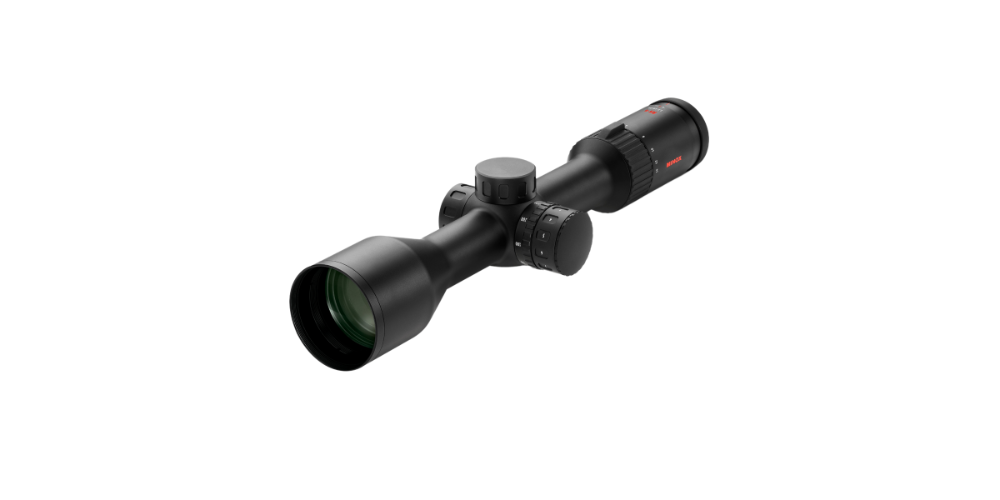
For eight decades, MINOX has stood for precision and quality “Made in Germany.” But how is a new rifle scope series like the RS-6 created? Kathrin Pfeiffer from MINOX Product Development provides an exclusive insight into the journey from the initial idea to series production – a process that combines experience, technology, and passion.
From idea to concept
Every development begins with a needs analysis. The brand defines the key data:
- What functions should the product have?
- What is its target audience?
- What is the planned price range and quantity?
These requirements are recorded in the specifications (dt. Lastenheft) – the central document that contains the complete product specifications. “The specifications are the wish list for the product,” explains Kathrin Pfeiffer. They contain not only technical data, but also economic requirements. The development team has a say in this: “We can make suggestions and find compromises if certain requirements can be improved, are not sensible, or would be extremely expensive.”
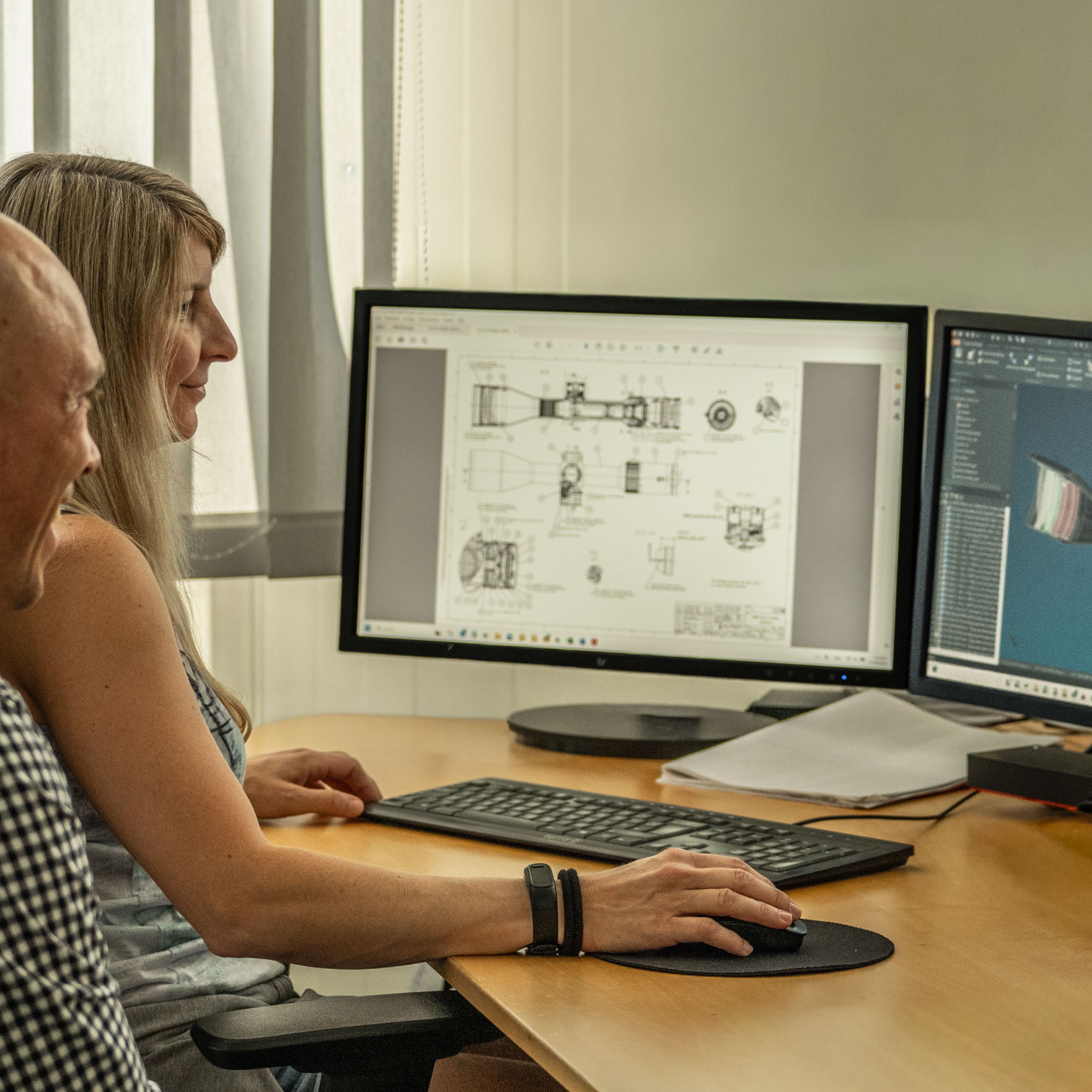
Virtual development and detailed work
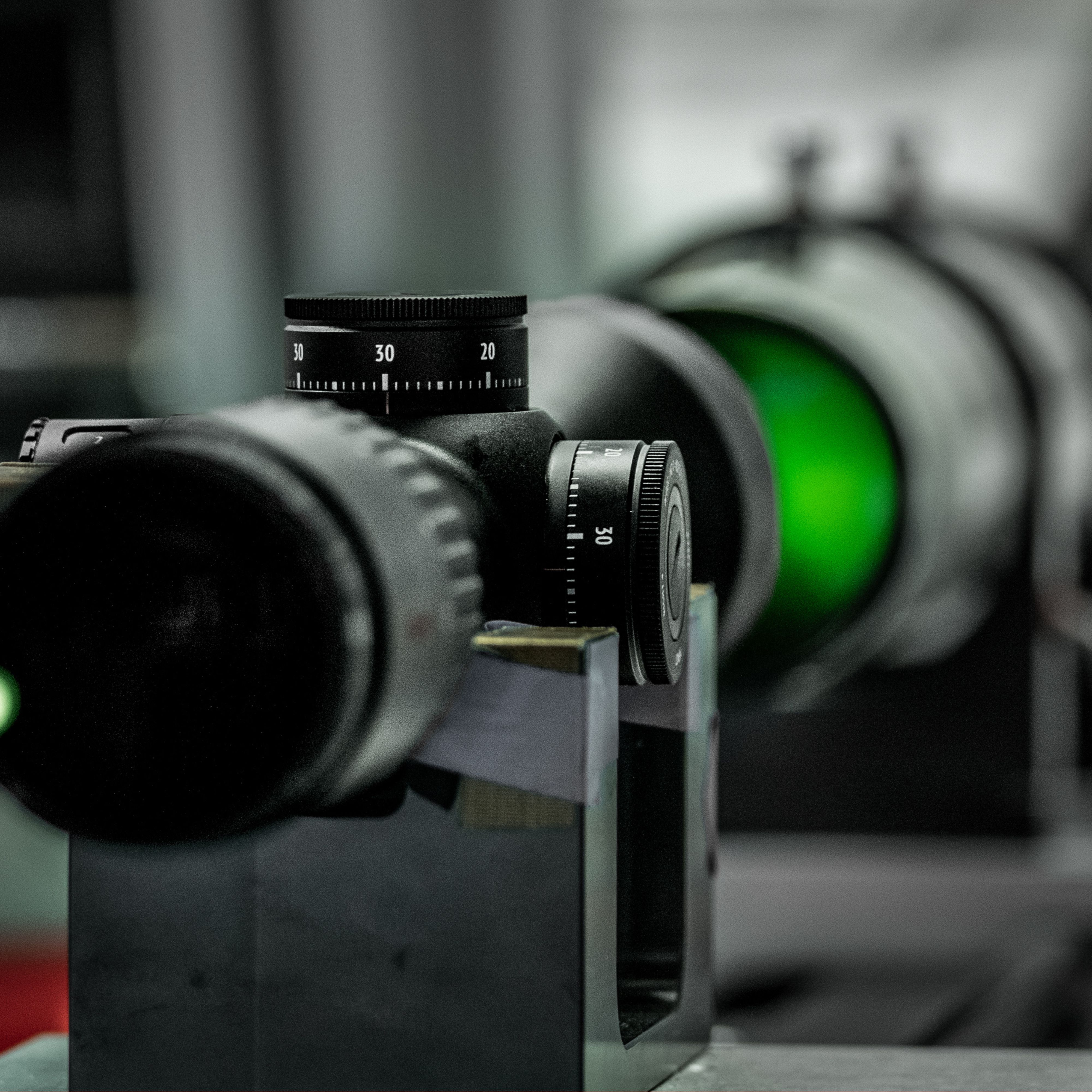
The critical prototype phase
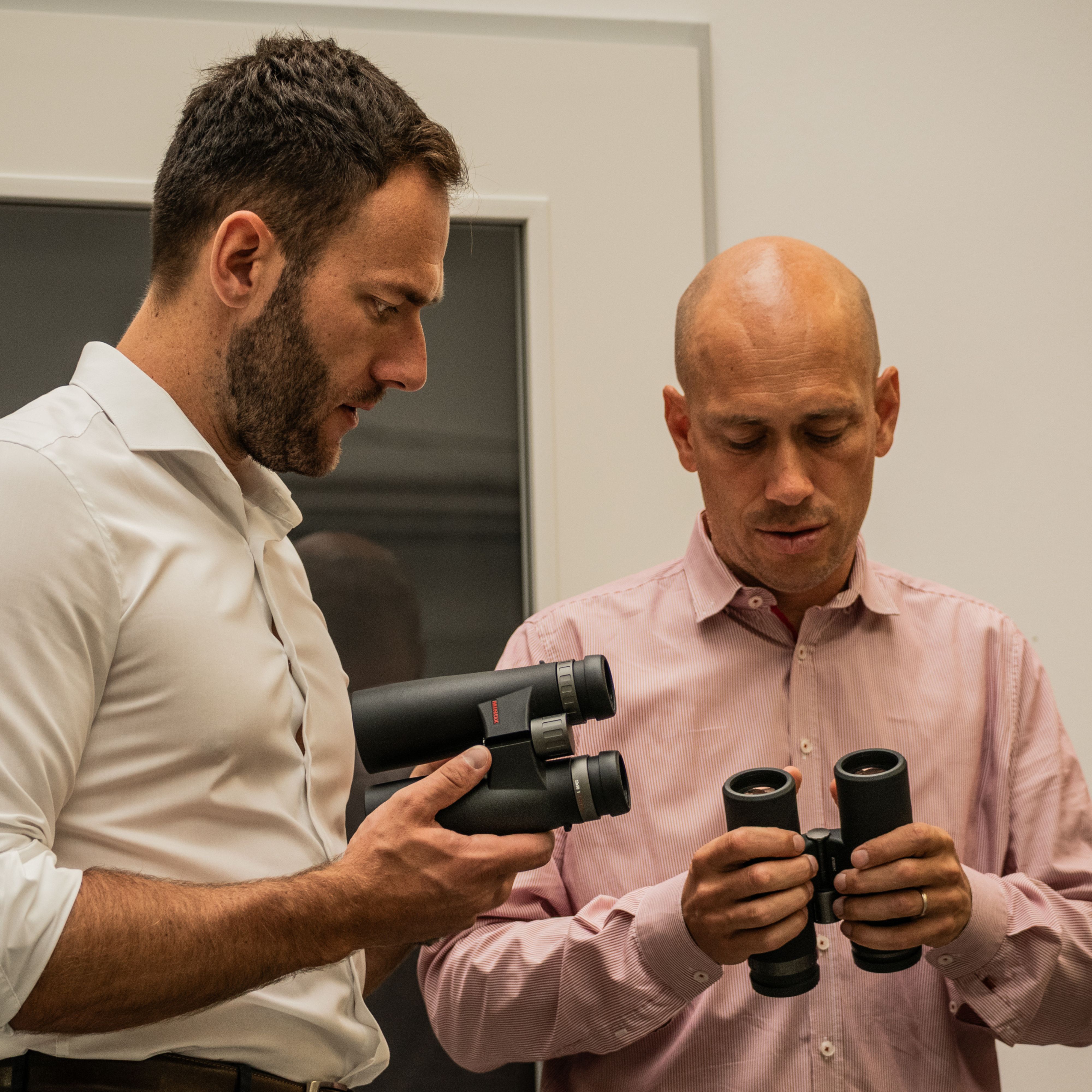
Quality from Wetzlar
The Wetzlar location is a major advantage for MINOX. Development and assembly take place under one roof. Short distances and direct coordination ensure the high standards of “Made in Germany.” “That makes us flexible,” says Pfeiffer. “We can fix many problems at short notice.”
Continuous improvement
Even after the market launch, the work does not stop. MINOX remains in close contact with customer service. “When returns with specific faults come in, we react quickly,” explains Pfeiffer. Many improvements can be incorporated directly into ongoing production. This ensures that quality remains at the highest level in the long term.
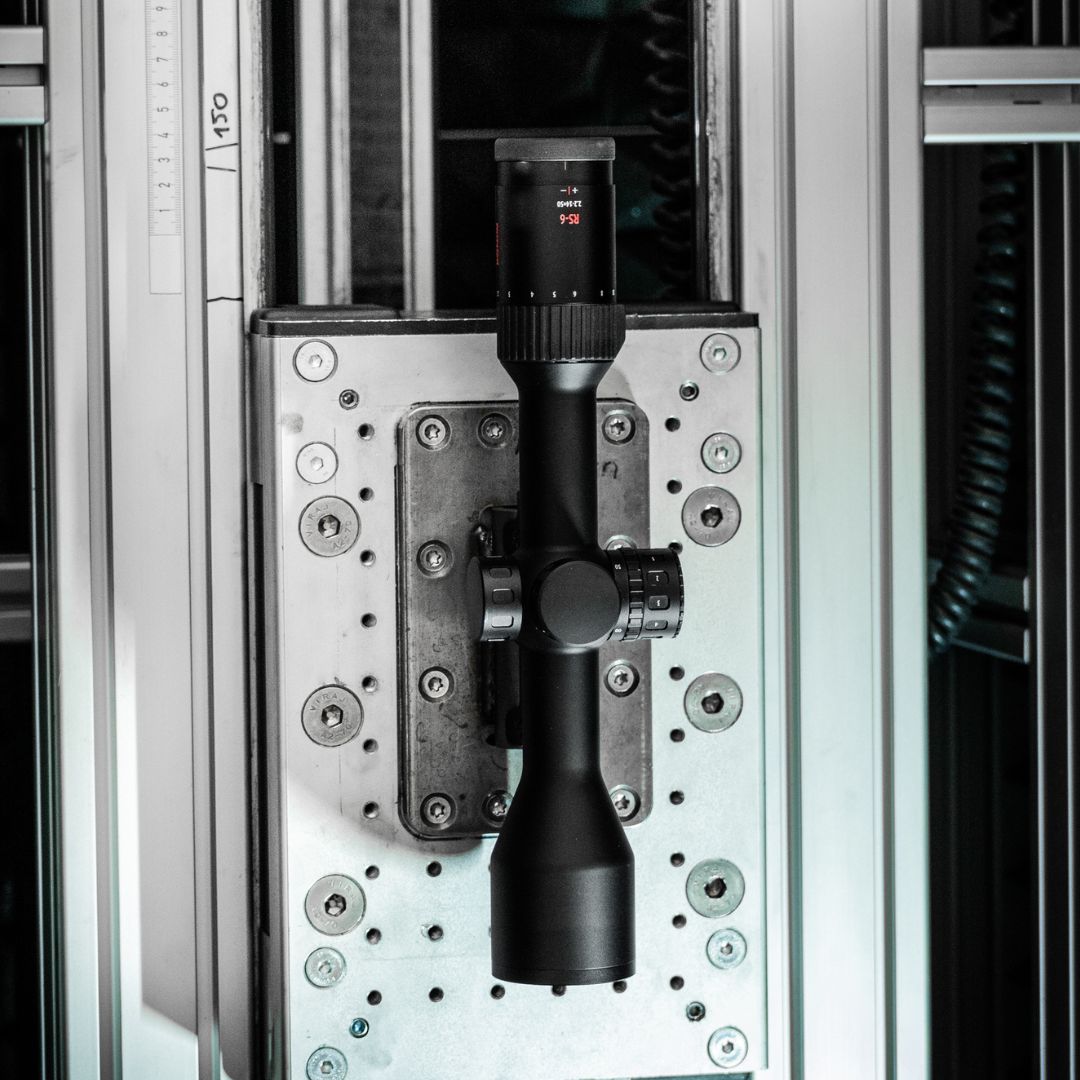
Know-how for the future
Developing a range of rifle scopes such as the RS-6 series is a complex process that requires precision and experience. Kathrin Pfeiffer and her team ensure that an idea is turned into a product that is worthy of the MINOX name – as they have been doing for 80 years.
