WILD BOAR HUNTING IN WHEAT – TECHNICAL FUNDAMENTALS AND PRACTICAL CONSIDERATIONS
HUNTING AND AGRICULTURE WORKING HAND IN HAND
Hunting wild boar in standing wheat is a classic example of the close relationship between wildlife management and agriculture. It is directly influenced by crop rotation, crop development, and weather conditions, making accurate timing and thorough knowledge of the hunting ground essential.
As the wheat crop grows, it changes from an insignificant field into highly attractive feeding habitat while simultaneously providing excellent cover. Without appropriate hunting pressure during this period, considerable crop damage can occur through trampling, lodging of the crop, and feeding activity.
The hunter's task is to understand this seasonal development and respond at the appropriate time, taking both the crop's growth stage and the behaviour of wild boar into account.
GROWTH STAGES OF WHEAT – AGRONOMIC FUNDAMENTALS
The attractiveness of wheat to wild boar depends largely on its stage of development. This is defined using the BBCH scale, an internationally recognised system describing the growth stages of cultivated plants. In Central Europe, winter wheat is typically sown in autumn and passes through several clearly defined developmental stages before harvest. The most important factors are plant height, nutritional value, and crop density. During germination and tillering, the crop remains short and provides neither significant cover nor valuable forage. It is not until stem elongation in spring that the crop begins to develop a structure capable of concealing wildlife.Once heading begins—typically between May and June—the crop becomes significantly more important from a hunting perspective. At this stage, wheat can reach heights of up to one metre, providing effective cover for the first time. The crop reaches its highest attractiveness during the milk stage.
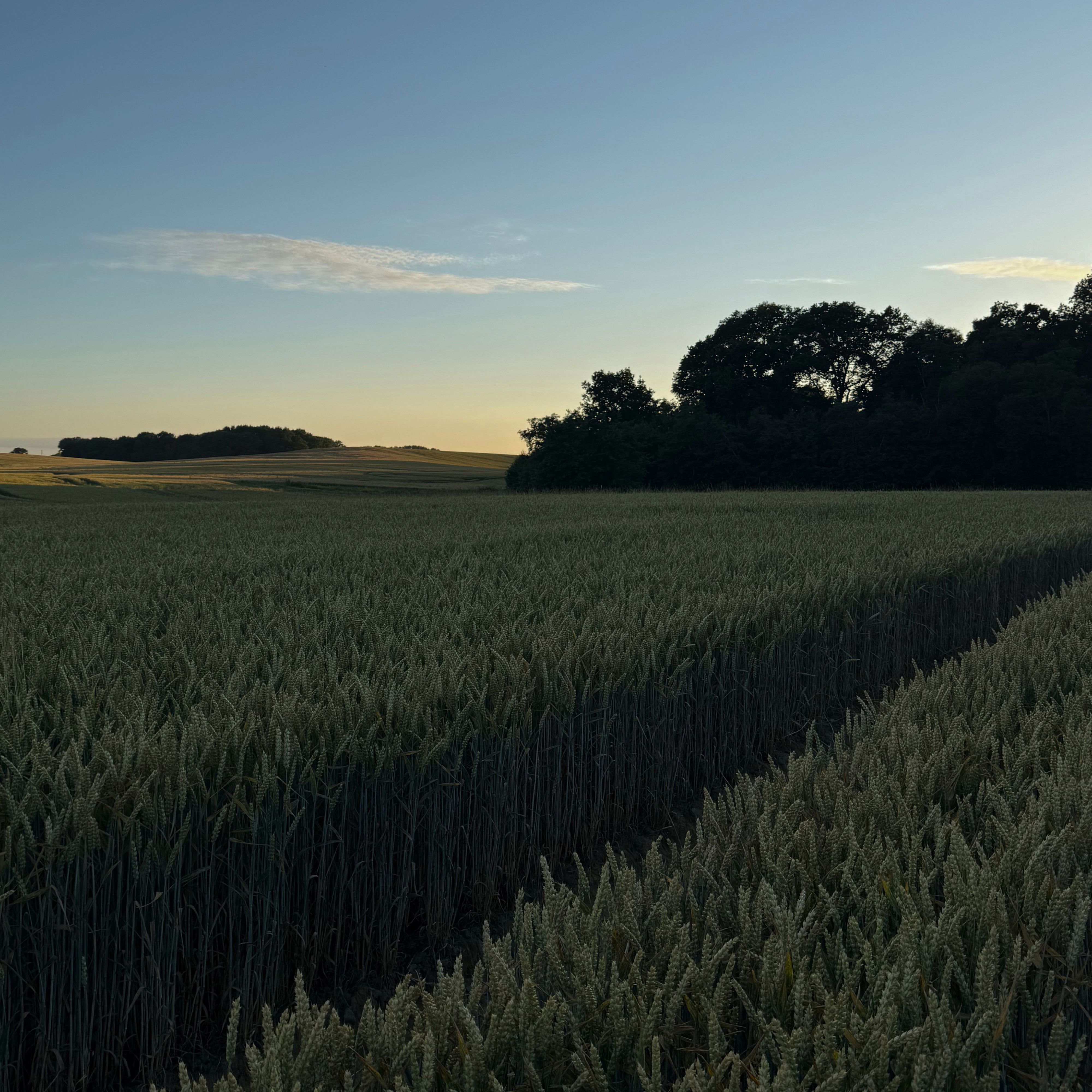
At this point, the developing kernels are filled with a milky, starch-rich fluid that provides a highly digestible source of energy. During the subsequent dough stage, the grain remains energy-rich, and wild boar continue to make intensive use of the crop. Crop rotation also plays an important role. Wheat is frequently grown after crops such as oilseed rape or maize, both of which are also favoured by wild boar. This creates a continuous seasonal chain of attractive food sources throughout the hunting area. From a hunting perspective, the most important period therefore extends from heading through the dough stage, when abundant forage and excellent cover coincide.
WHY WILD BOAR PREFER WHEAT
Wild boar make deliberate use of wheat because it combines high nutritional value with a high degree of security. During the milk and dough stages, the developing grain provides readily available carbohydrates that are essential for the animals' metabolism. At the same time, the ears remain moist and succulent, making them particularly attractive as forage. In addition to food availability, cover plays a crucial role. Dense, tall wheat allows wild boar to remain concealed throughout daylight hours with minimal disturbance. Large fields, in particular, are often used as secure daytime refuges.
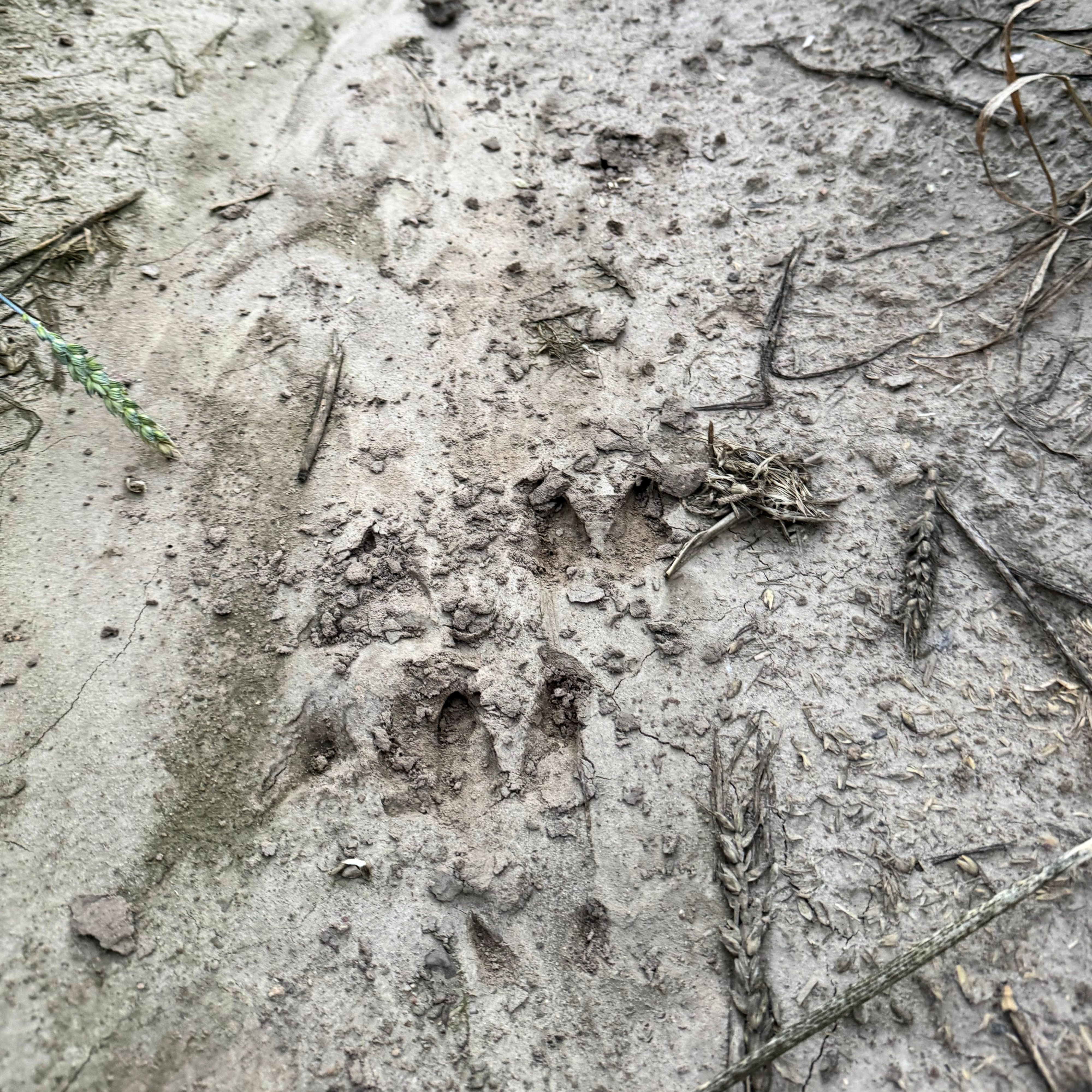
From a hunting perspective, it is important to understand that wild boar do not merely feed in these fields—they frequently use them as temporary bedding and holding areas. As a result, they remain within the crop for extended periods and display movement patterns that differ considerably from those observed in more open terrain. A typical pattern involves entering the wheat from woodland at dusk, followed by slow and methodical feeding throughout the crop.
KEY FACTORS
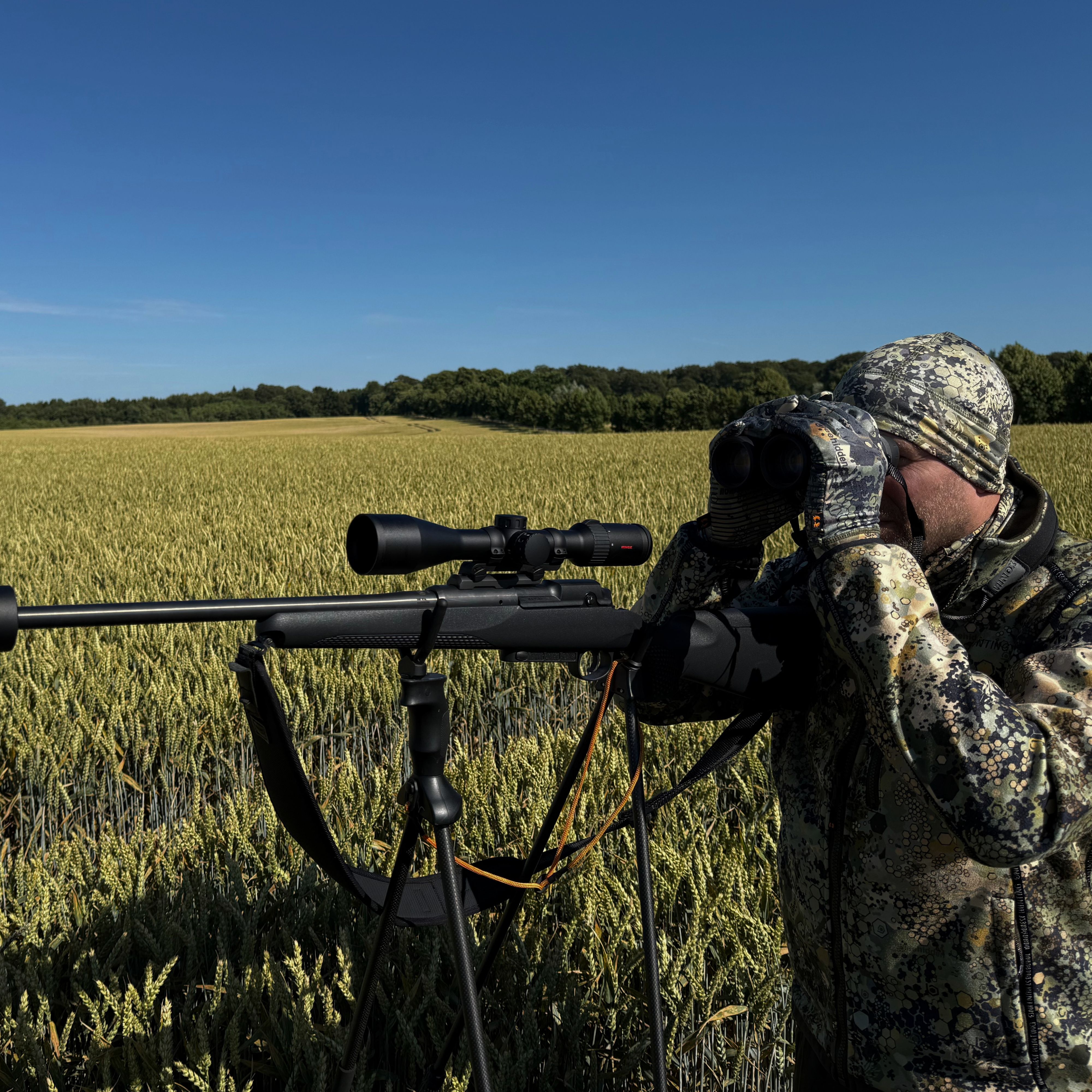
Stalking wild boar in standing wheat differs significantly from stalking in open terrain. Visibility is restricted, sound travels differently, and the animals feel considerably more secure within the crop. Careful planning is therefore essential. Choosing the right stalking route is particularly important. Tramlines and field edges provide natural lines of approach, allowing the hunter to move comparatively quietly through the crop. Wind direction is the highest priority. Wild boar rely heavily on their sense of smell and will leave the crop immediately if they detect human scent. Thermal air currents should also be taken into account, particularly in undulating or varied terrain. The choice of timing should be based on the activity patterns of wild boar. Evening twilight and the early hours of darkness are generally regarded as the most productive periods. Another key factor is knowledge of game trails and bedding areas. Wild boar frequently follow established routes, especially where woodland meets agricultural land. Experience shows that wild boar usually move slowly within the crop and stop frequently to check their surroundings. This requires the hunter to adopt an equally slow, patient, and quiet approach.
Planning the Stalk:
- Always stalk into the wind.
- Make use of tramlines and field-edge features.
- Focus on dusk as the primary period of activity.
- Identify game trails and bedding areas.
- Move slowly and as quietly as possible.
- Patience is one of the most important factors for success.
- Carry out regular observation of the hunting ground.

WILD BOAR BEHAVIOUR AND FIELD IDENTIFICATION
Sounder Structure and General Behaviour
Wild boar live in social family groups known as sounders. A sounder normally consists of several adult sows accompanied by their piglets and yearlings. The group is led by an experienced lead sow, whose behaviour largely determines the movements and reactions of the entire sounder. Within dense wheat crops, wild boar generally display calm and deliberate behaviour. They feed regularly, pause frequently to check their surroundings, and respond quickly to any sign of disturbance. Solitary animals are usually mature boars that live independently from the sounder and exhibit different movement patterns within the hunting area.
Sows
Sows are the adult female animals and form the core of every sounder. Correct identification is particularly important, especially when determining whether a sow is accompanied by dependent young.
Lead sows can often be recognised by their behaviour:
- They remain in close contact with their piglets.
- They move in a calm, confident, and controlled manner.
- They stop more frequently to check their surroundings.
- They are often positioned centrally within the sounder.
Physically, they appear compact and powerful, with a relatively straight back and a low-carried head. Non-leading sows may move somewhat more independently, but without a clear and reliable identification they cannot safely be distinguished from a lead sow.
Yearlings
Yearlings are animals between one and two years of age and represent an intermediate age class.
Typical characteristics include:
- A slimmer body that is not yet fully developed.
- Movements that are often less coordinated and slightly more restless.
- They are frequently found in small groups or on the outer edges of the sounder.
They are generally more active and less cautious than mature animals.
Piglets
Piglets are the youngest animals in the sounder and, during the first months of life, are easily recognised by their distinctive striped coat. As they grow older, these stripes gradually disappear.
Even after the stripes have faded, piglets can usually be identified by the following characteristics:
- Significantly smaller body size.
- Short legs in proportion to the body.
- A rounded body shape giving a distinctly juvenile appearance.
- Lively, playful behaviour.
Piglets almost always remain in close proximity to the lead sow.
ETHICAL HUNTING PRACTICES – FUNDAMENTAL PRINCIPLES IN STANDING CROPS
Hunting wild boar in standing wheat requires a high level of discipline and personal responsibility. The foremost requirement is the positive identification of the individual animal. In dense crops, this is often more challenging, as animals may only be partially visible or constantly moving. Particular attention must be paid to the structure of the sounder. Lead sows must always be spared, as they are responsible for raising and protecting their dependent piglets. The hunter must also ensure that a safe backstop is present, which cannot always be guaranteed in agricultural fields. Any uncertainty—whether caused by poor visibility, partially obscured animals, or an inability to positively identify the animal—must always result in the decision not to take the shot. Furthermore, unnecessary disturbance within the hunting area should be avoided. Repeatedly disturbing wildlife through careless movement or flushing other game species, such as roe deer, can have a lasting negative impact on wild boar behaviour and reduce future hunting opportunities.
GENERAL PRACTICAL RECOMMENDATIONS
- Patience and composure are essential for hunting success.
- Make conscious use of all your senses—hearing is particularly important.
- Avoid unnecessary disturbance within the hunting area.
- Carry out regular, coordinated monitoring of the hunting ground.
SUMMARY
- Wheat becomes of significant hunting interest from the heading stage onwards.
- The milk stage and dough stage represent the periods of highest use by wild boar.
- Wild boar use wheat both as a valuable food source and as secure daytime cover.
- Successful stalking depends on careful planning and strict attention to wind direction.
- Positive identification of every animal is essential before taking a shot.
- Understanding the structure of the sounder is fundamental to responsible and effective wild boar management.
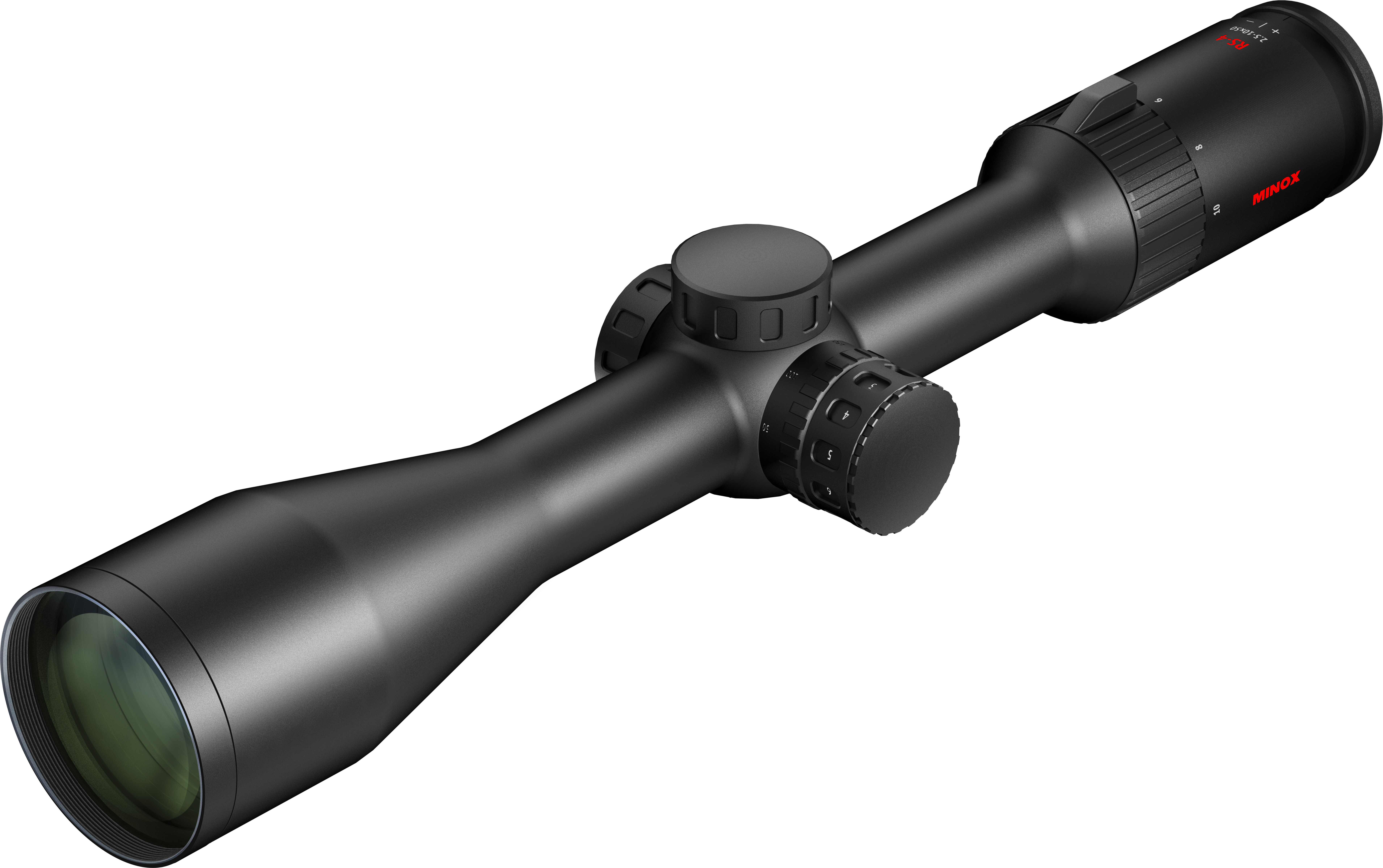
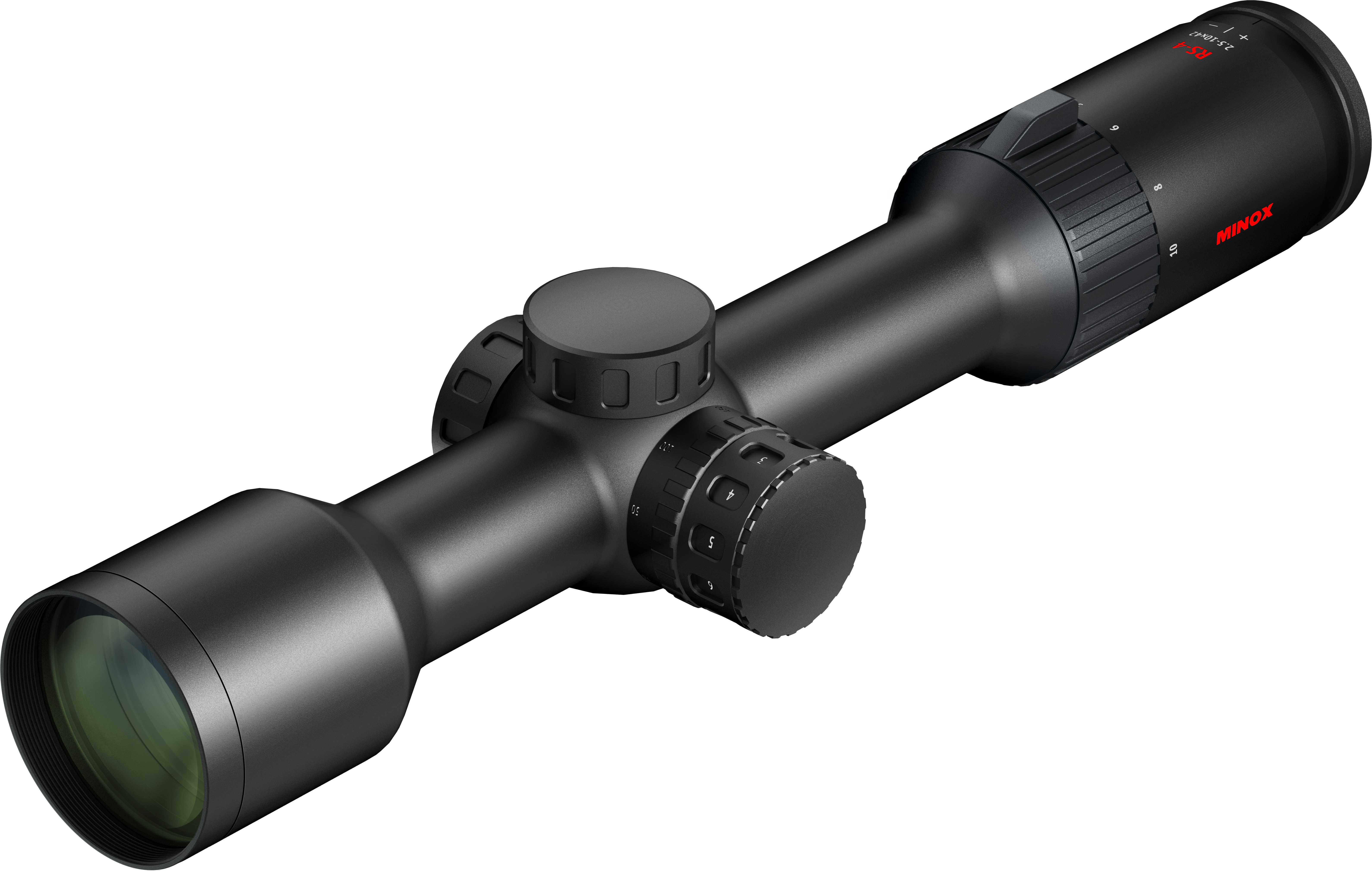
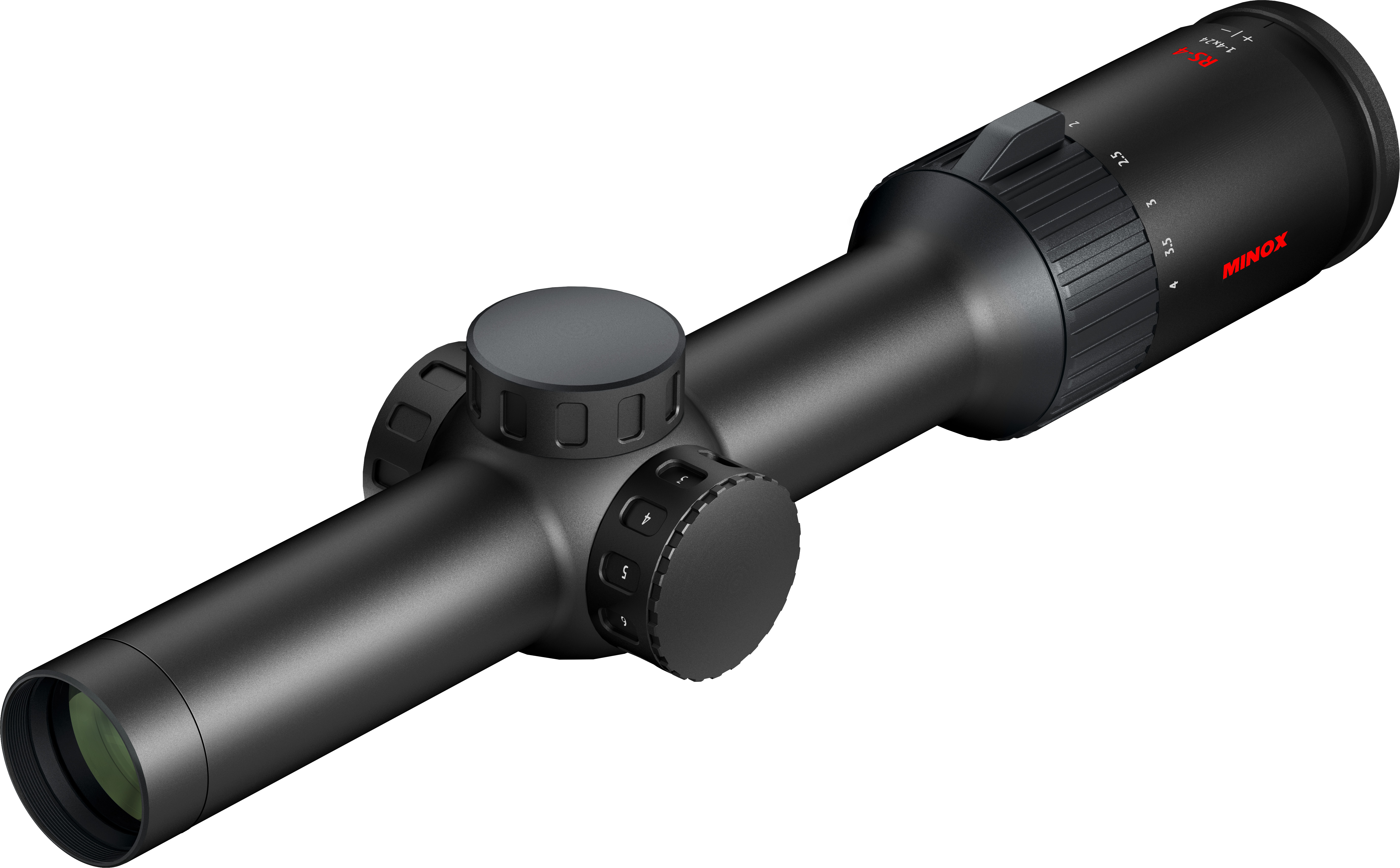
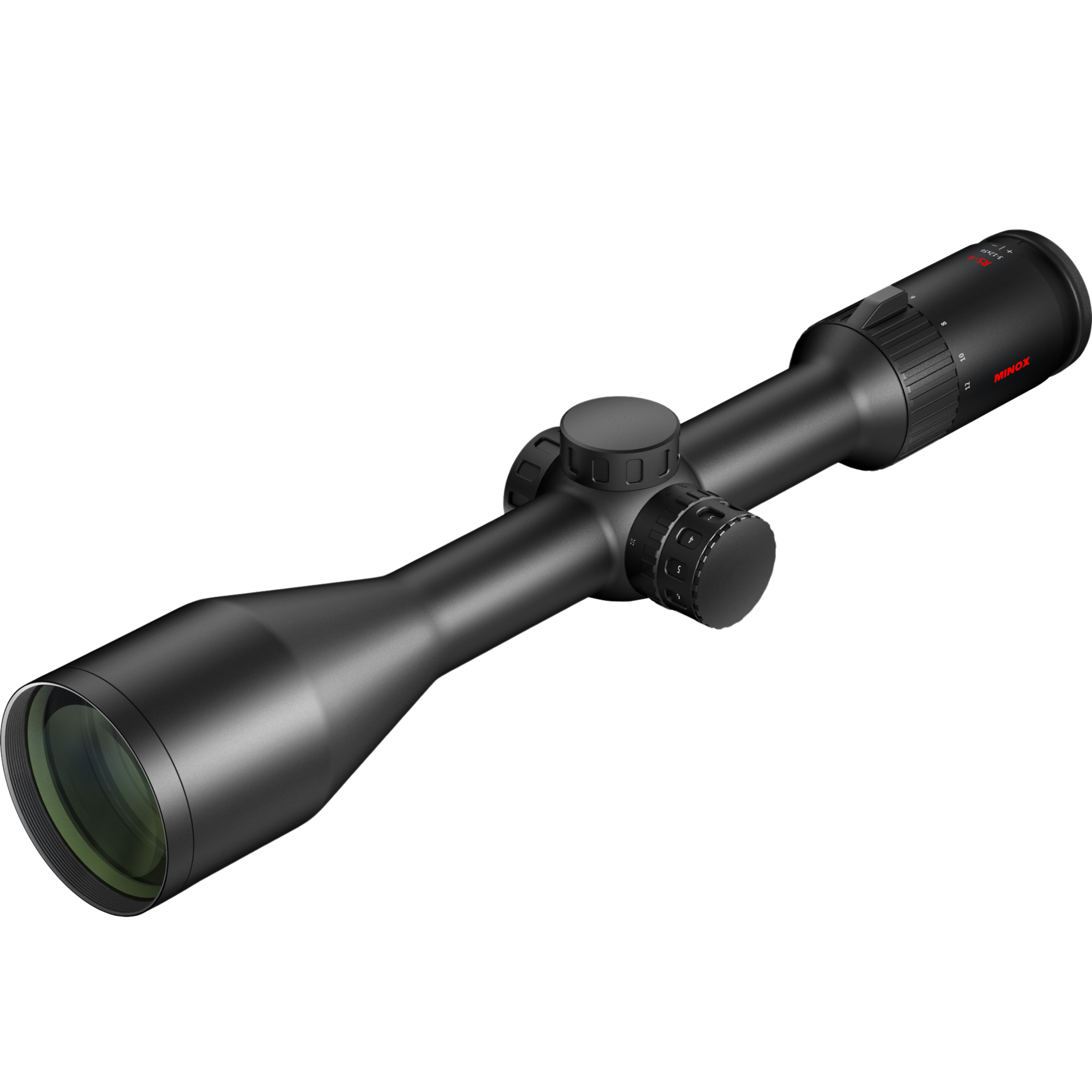
Everything a riflescope needs. The new RS-4 series