THE BUCK IS CALLING!
Precision during the peak phase of movement and why good optics are essential
The start of the roe deer hunting season on 16 April in Bavaria marks the beginning of a particularly sensitive yet promising phase in the hunting year. April is considered a time of heightened activity among roe deer: the animals are out and about more frequently, and the vegetation is still manageable. This makes the period ideal for clean and safe shooting.
As the first phase of the hunting season, the April hunt has a clear objective: early, forest-friendly and, as far as possible, undisturbed regulation of the roe deer population. Accordingly, the hunt deliberately focuses on the forest, whilst open land should remain undisturbed as far as possible. The focus is primarily on yearling bucks and does with small antlers.
It is precisely now that important differences are clearly apparent.
Build and appearance
The one-year-old bucks usually appear slender and often have small antlers. Older bucks are more robustly built, generally already have full antlers, and display a much calmer, more confident demeanour. A confident demeanour is also crucial in female roe deer: fawns are young, slender and without visible teats, whilst does appear more robust and are often already pregnant by April.
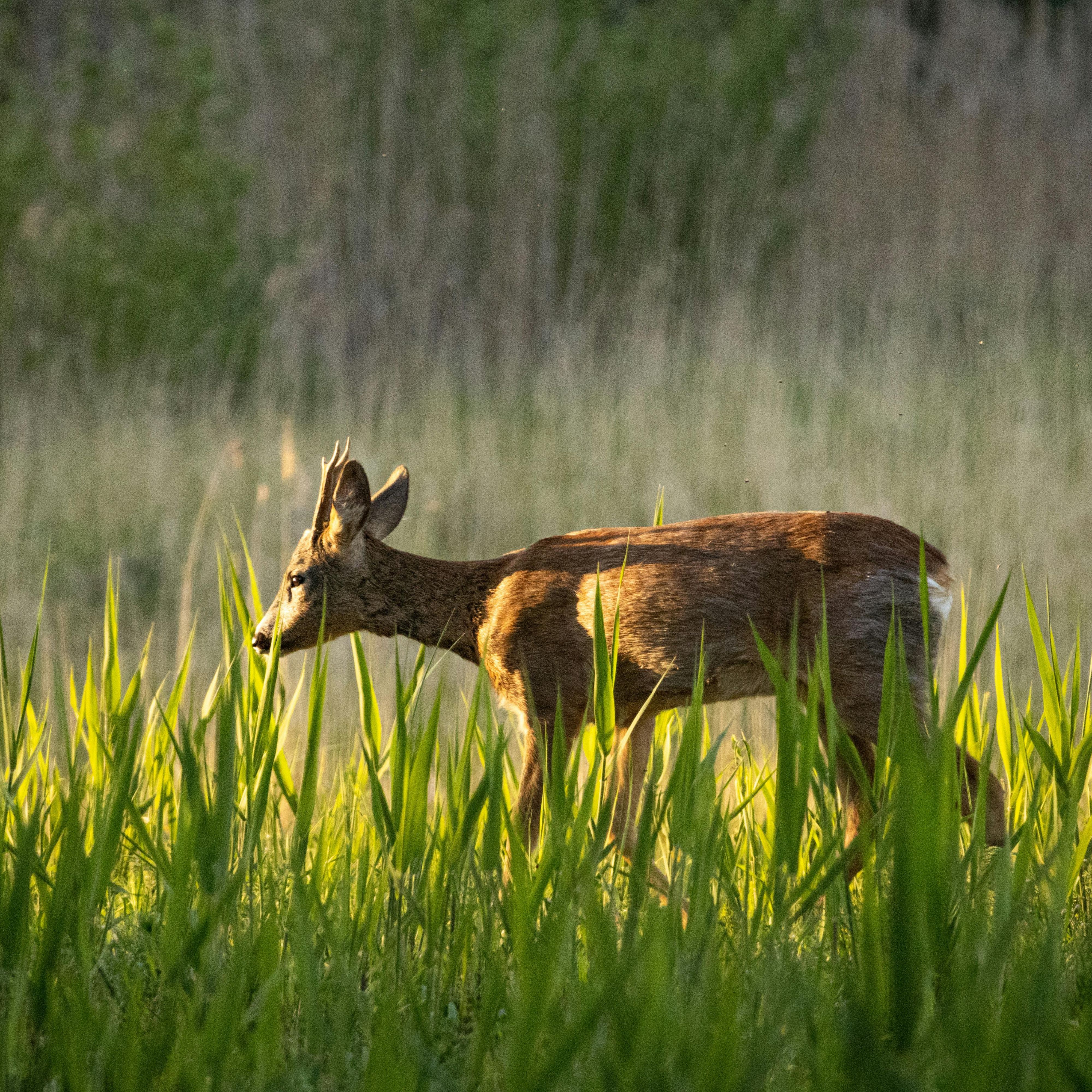
ONE-YEAR-OLD BUCK
- The one-year-old buck is slender in build and appears to have high legs. The body is light and not very well-fleshed. The body proportions appear immature. Overall, there is a lack of physical maturity.
- The neck is thin and scarcely muscled. The typical neck thickness of older bucks is absent. The head appears slightly detached. The forequarters appear weak overall.
- The head is narrow and not very distinctive. The forehead and skull show little mass. The facial features appear youthful. The head is in keeping with the light build.
- All these characteristics combine to give a light overall impression. The buck does not yet appear physically fully developed.
- Yearlings show little territorial attachment. Their behaviour is curious but uncertain. They are reserved in their interactions with other bucks. Dominant behaviour is usually absent.
- The yearling buck is often restless. He rarely stays in one place for long. His marking behaviour is irregular.
- Yearlings usually do not have a fixed territory. They frequently switch between resting spots. Their behaviour appears somewhat aimless. Encounters are usually avoided.
MATURE BUCK
- The mature buck is powerfully and compactly built. The chest and torso are well-defined. The body appears deep and broad. The overall impression is one of maturity and stability.
- The frame is thick and distinctly muscled. The neck muscles are clearly visible. The head is carried calmly. The forequarters appear solid.
- The older buck moves calmly and with control. There are largely no frantic movements. His demeanour appears confident.
- The chest is broad. The body extends deep down. The ribcage appears strong. This characteristic clearly distinguishes him from the yearling.
- Older bucks carry themselves with confidence. They react calmly to disturbances. They display dominance towards other bucks.
- In spring, older bucks mark their territory. Scratching and marking spots are typical. Competition is not tolerated in the core area. Territorial behaviour is clearly pronounced.
- The older buck keeps a constant watch. The wind and surroundings are thoroughly checked. Movements are slow and deliberate.
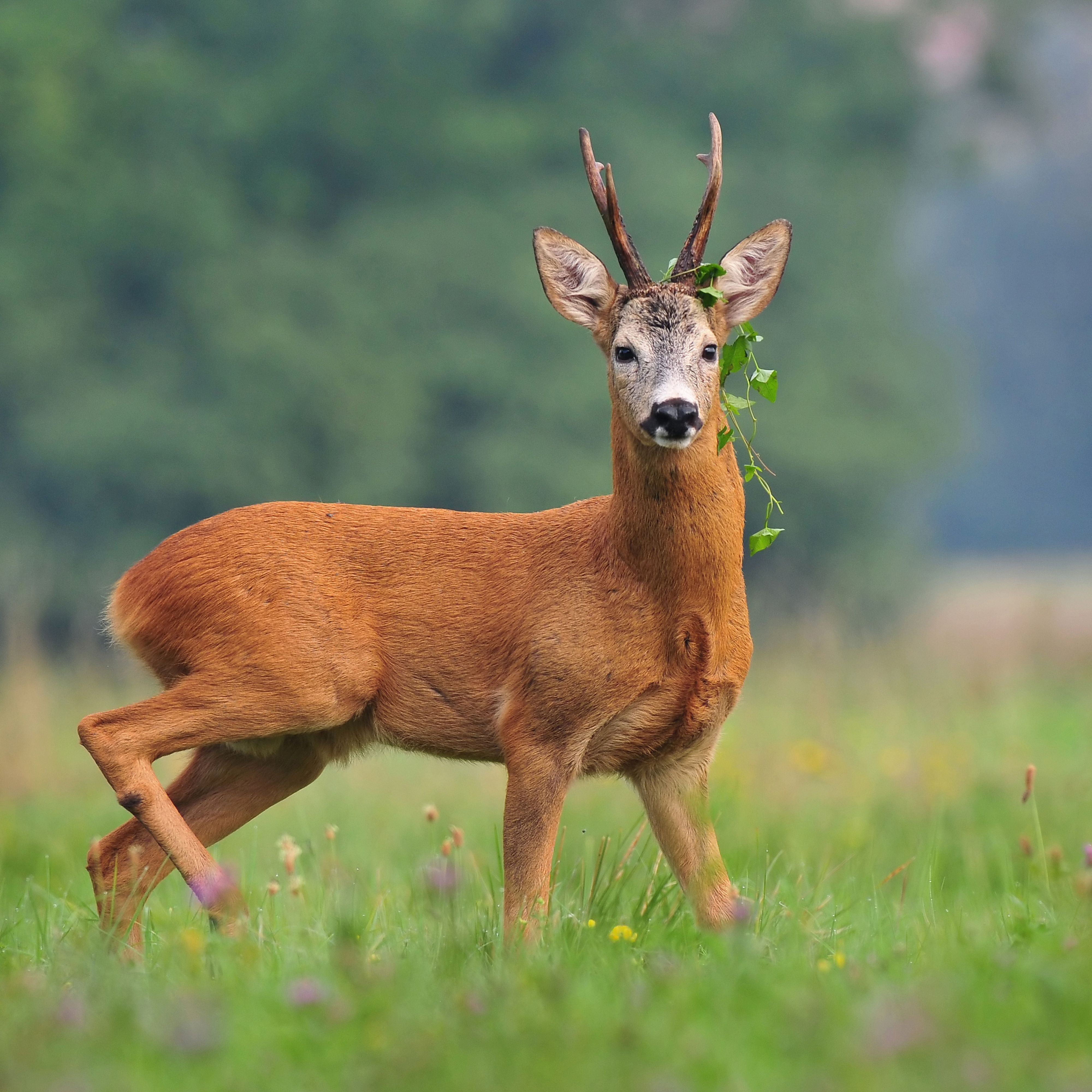
Note: The one-year-old appears more ‘youthful’, whilst the older one stands proud, a fully-grown stag.
Moulting
Moulting provides an additional point of reference. Younger animals usually moult more evenly into their summer coat, whilst older animals often still have a patchy or uneven appearance. These characteristics can help with identification, but should always be considered in context.
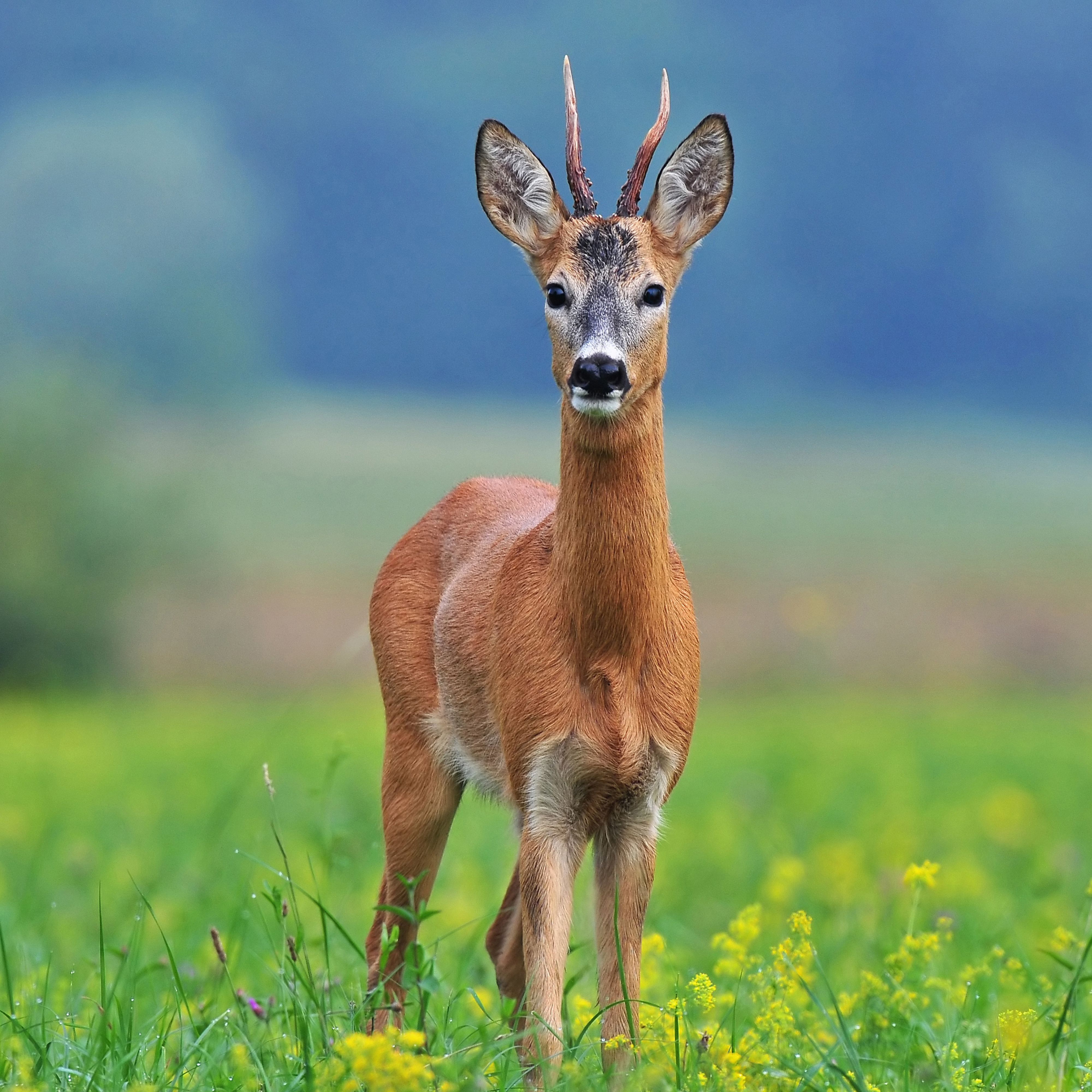
ONE-YEAR-OLD BUCK
- One-year-olds usually moult into their summer coat early. The moulting process is even. A lot of red is already visible by April. There are hardly any remnants of the winter coat.
- The coat appears smooth and dense. The transitions are barely noticeable. There are usually no shaggy patches. Overall, the coat appears neat.
OLDER BUCKS
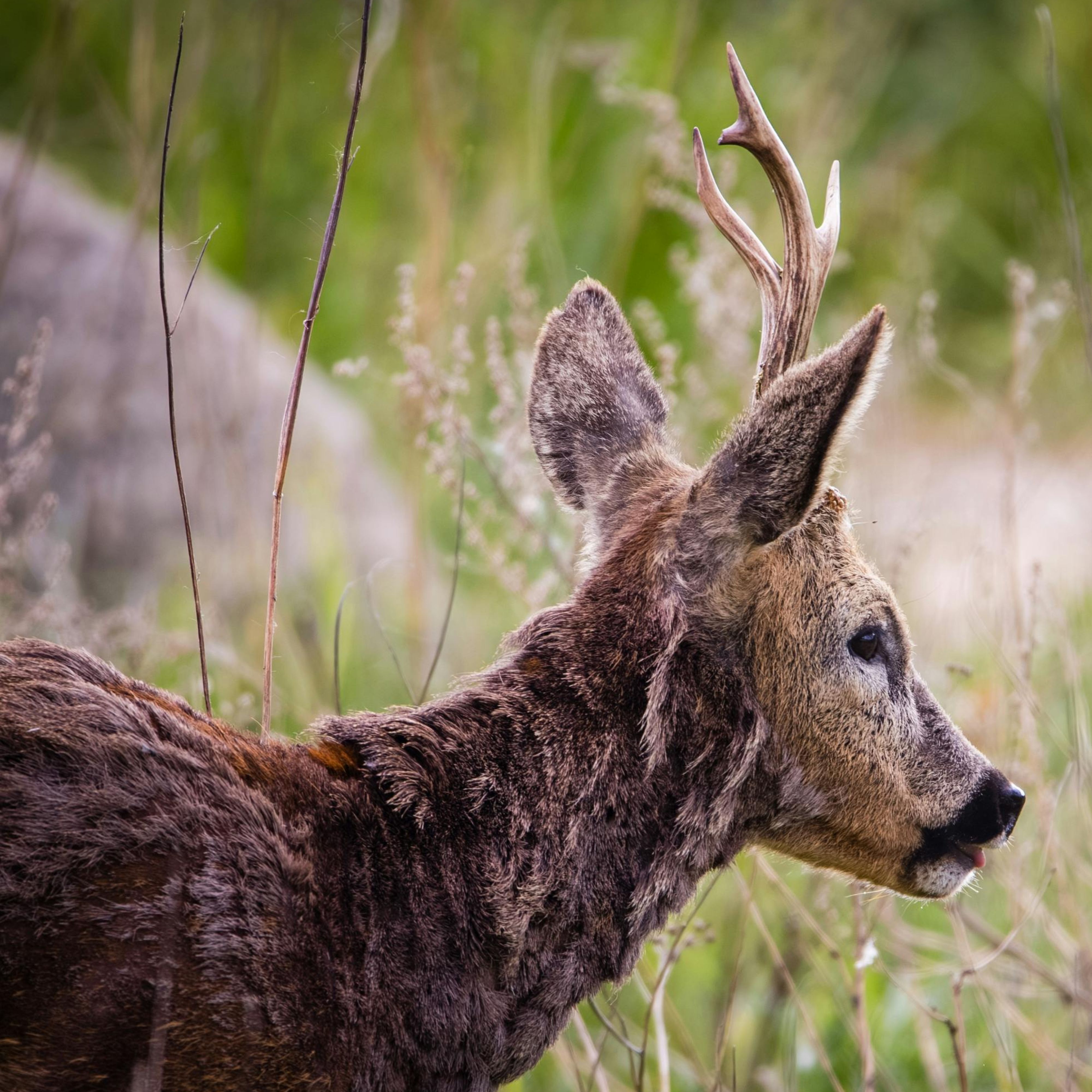
- Older rams shed their winter coat later in the season. Winter and summer coats become intermingled. The moult is uneven. The coat appears patchy.
- Remnants of the winter coat remain visible for longer. The coat stands up in places. The overall appearance looks dishevelled. This is age-related and not a sign of illness.
Antlers
In spring, the antlers provide important clues as to the stag’s age, but should never be considered in isolation. The timing of shedding, the thickness of the beams and the shape of the tines vary significantly depending on age. The antlers only become a reliable indicator when considered alongside the stag’s build and behaviour.
ONE-YEAR-OLD BUCK
- One-year-olds usually have a weak first set of antlers. Spikes or slight branching are often visible. The tines are thin and short. The rosettes are not very pronounced. The antlers appear light.
- Many yearlings still have bast in April. The antlers shed later than in older bucks. Fresh shedding marks may be present. Remnants of bast are an indication of youth. This characteristic is clearly visible.
- Overall, the antlers appear unremarkable. They lack mass and structure. They appear small on the narrow head. The impression is not very imposing. Always compare with the animal’s build.
OLDER BUCKS
- Older rams usually have shed antlers by spring. The antlers are smooth and hard. The velvet has completely disappeared. The timing rules out a yearling. This characteristic is reliable
- The antler beams are noticeably thicker. Greater mass and length are evident. Full branching is often present. The antlers appear fully grown. This underlines their maturity.
- The rosettes are clearly defined. The antler shafts show structure and beading. Irregularities are possible. The antlers appear distinctive. This suggests an older specimen.
Overall impression
In the end, it is not a single characteristic that counts, but the overall impression:
ONE-YEAR-OLD BUCK
Several subtle characteristics are present together. Build and behaviour are in harmony. The impression is unmistakably youthful. Individual variations are possible. The overall picture is decisive.
OLDER BUCK
The older buck displays several mature characteristics. Body and behaviour appear harmonious. Presence and calmness are striking. The impression is unmistakable. Individual characteristics confirm the overall picture.
Practical tip
Visibility is usually good in spring. Body and legs are clearly visible. Obstructions are rare. Characteristics can be clearly assessed. This makes assessment easier.
Rams are often on the move. Migration and territorial behaviour are visible. Observations are frequent. It is possible to compare several animals. This improves the assessment.
Coat, antlers and behaviour are clearly visible. Several criteria can be combined. Individual characteristics can be verified. The overall impression becomes clearer. Patience remains crucial, however.
Take your time to observe.
A quick glance is often not enough – it is only in behaviour and movement that age truly reveals itself.
KNOWLEDGE OF THE TERRITORY
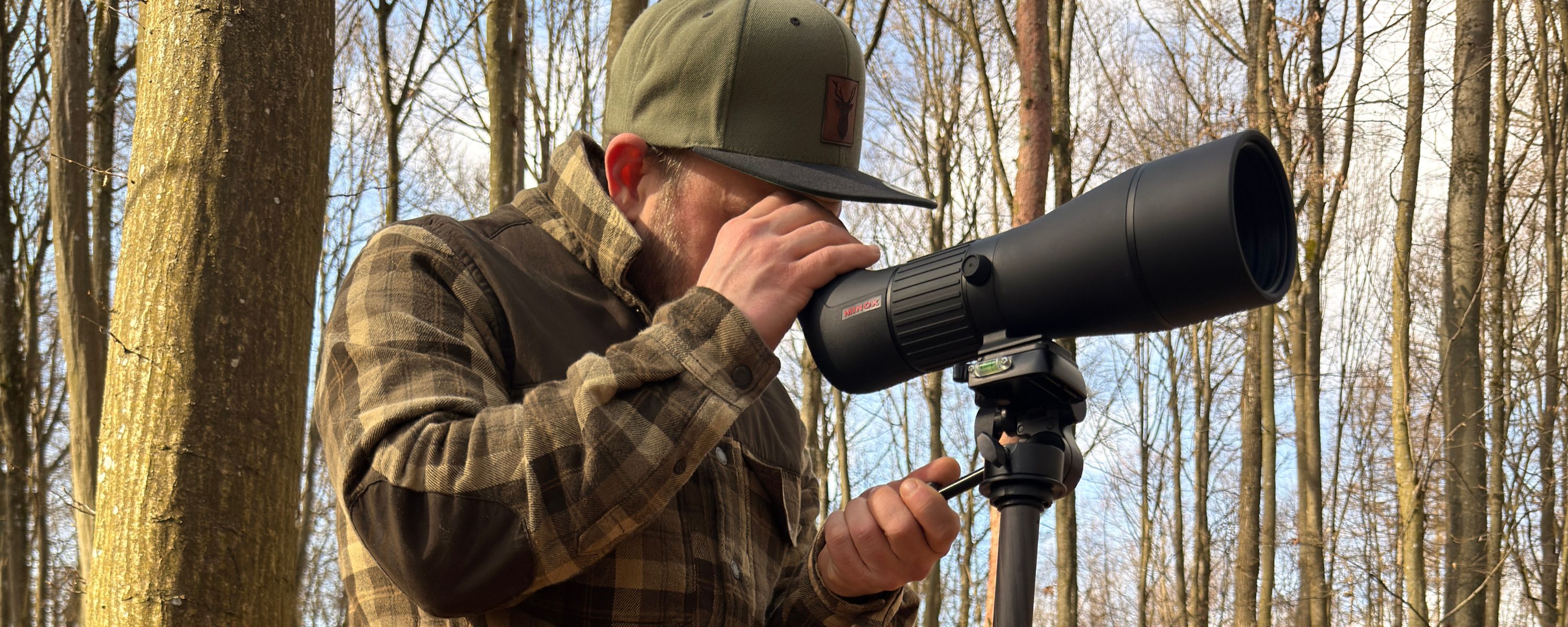
Truly confident identification begins long before the first glance through the scope. A thorough knowledge of the hunting ground is crucial:
Where are the roe deer’s resting spots?
Knowledge of resting spots is fundamental. It helps in identifying individual animals. Recurring sightings become explainable. Age groups can be distinguished more easily. Knowledge of the hunting ground increases confidence.
Which trails are used regularly?
Trails reveal the routines of the bucks. Certain routes are favoured. Use varies with age. Observations become more predictable. This aids in identifying the animal.
Where is the older buck currently within the territory?
Older bucks have fixed core areas. These can be observed. Sightings can be matched to these areas. Deviations stand out. This makes it easier to identify the animal’s age.
Where are the rubbing posts and resting spots located?
Rubbing posts indicate territory activity. Resting spots indicate dominance. Their location is significant. Proximity to sightings is relevant. They provide important additional information.
Only those who can answer these questions are truly able to assess a situation correctly. The behaviour of a roebuck only becomes clear when viewed within the context of its territory. Without this knowledge, any attempt to engage the game remains piecemeal. Particularly in April, when the bucks begin to establish their territories and the structure of the hunting grounds becomes apparent, this knowledge is invaluable.
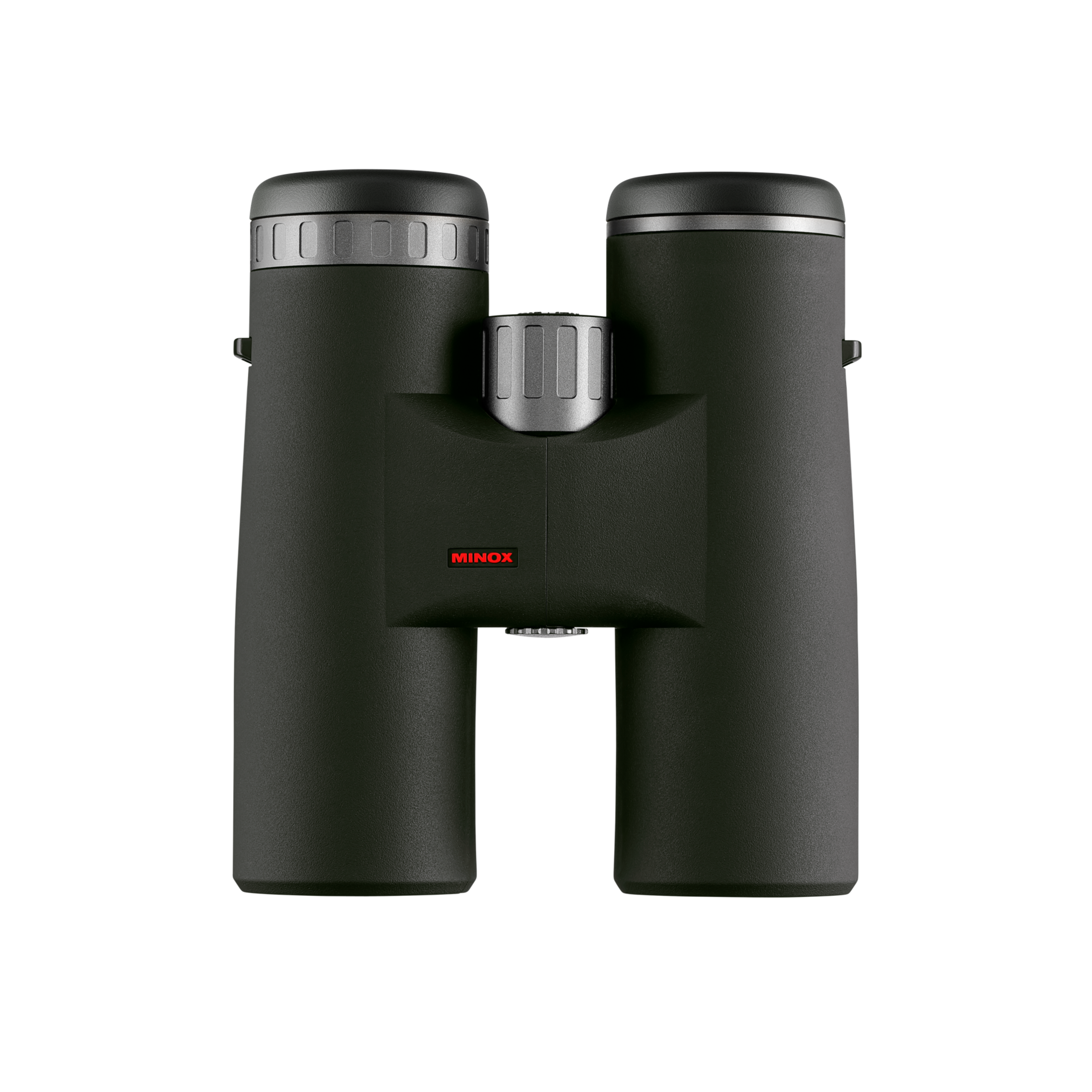
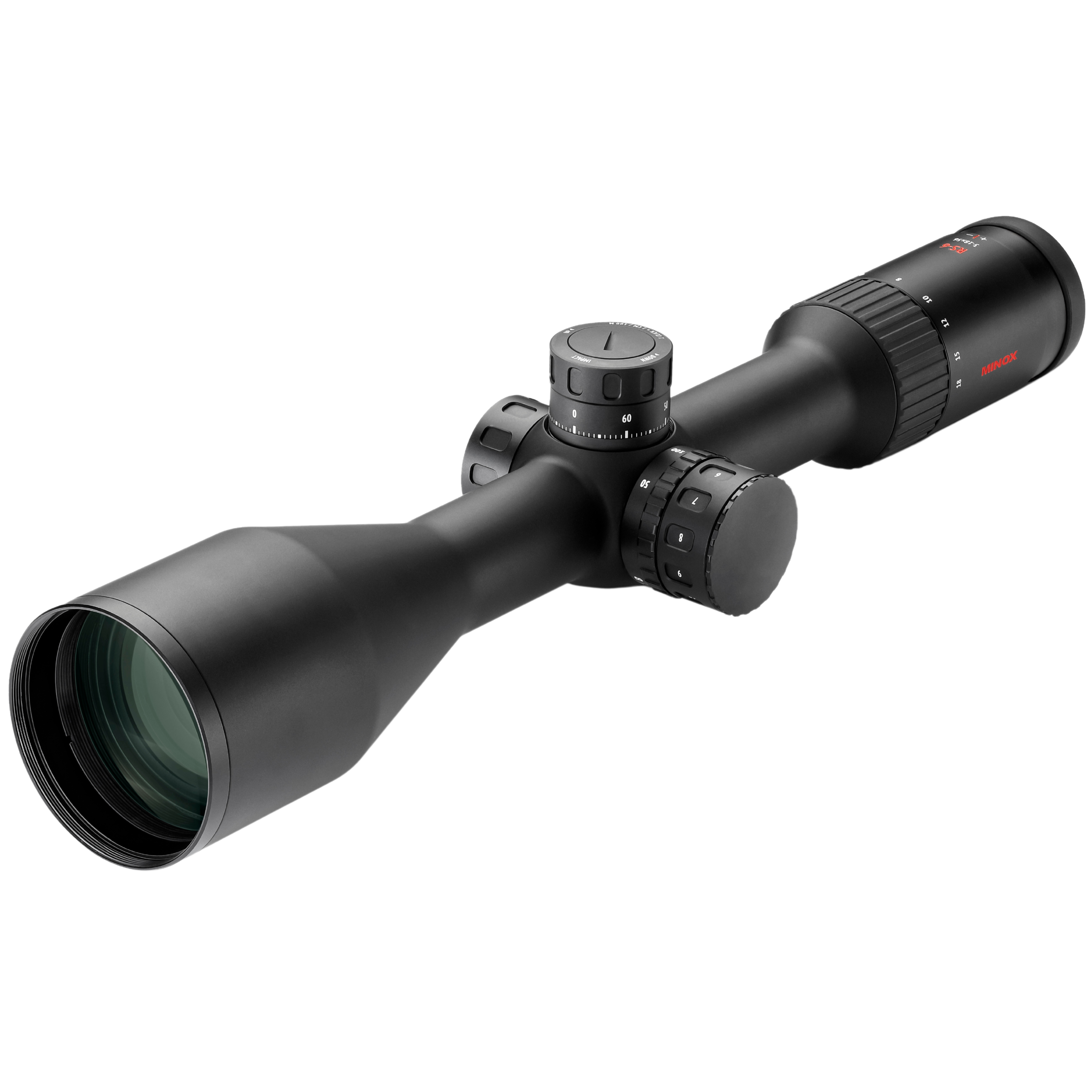
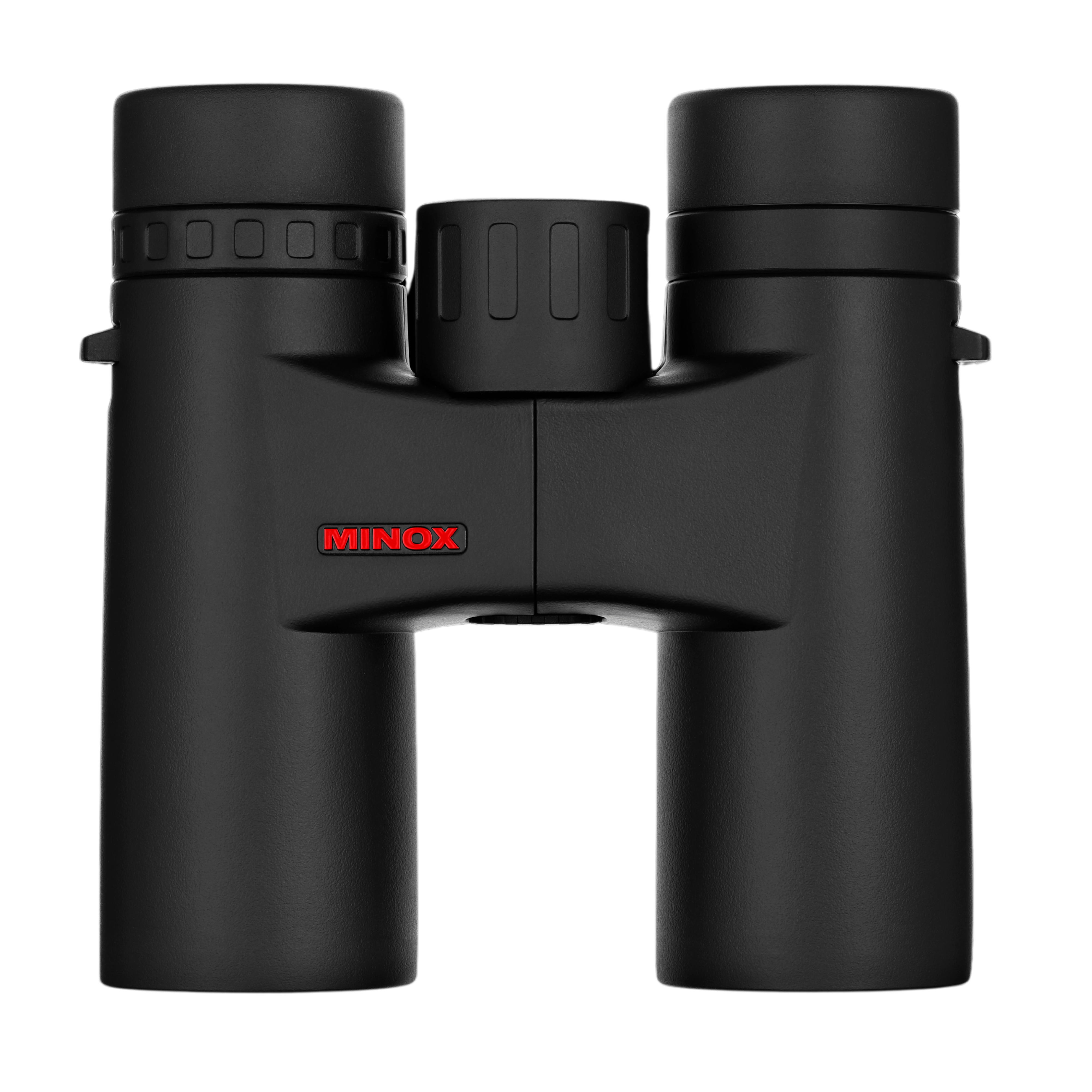
Taking all these factors into account, April thus offers optimal conditions for safely engaging roe deer. It is not a single characteristic that is decisive, but the correct overall assessment through the right optics. For ethical hunting always begins before the shot – with a clear view and the right decision.

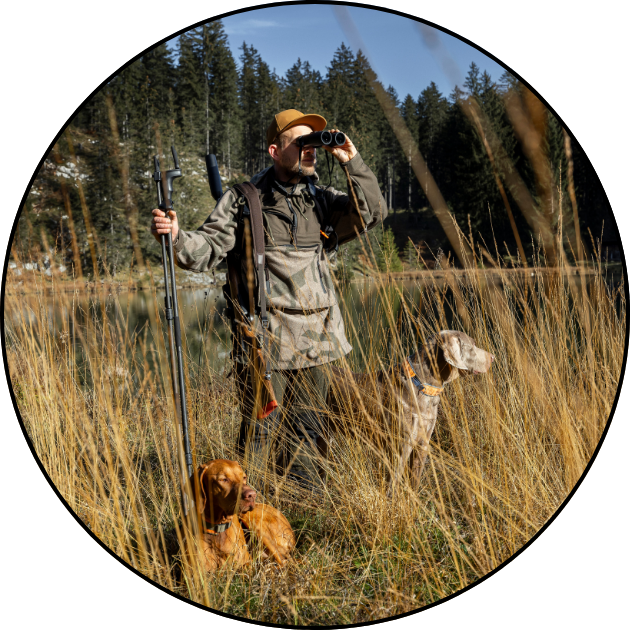
CHRISTIAN BAUMEISTER
Hunting has been an integral part of my life for over 20 years. As a passionate hunter, leaseholder and dog handler, it shapes my daily life and my way of thinking. For me, hunting means far more than simply bagging game – it is a lifelong calling.
It demands responsibility, consistency and, above all, ethical conduct in my daily actions. Treating game and nature with respect is my top priority. Every decision made in the hunting ground carries weight – and that is precisely what makes hunting such a great gift to me.
Working with the dog, looking after the hunting ground and consciously experiencing nature are just as important to me as the moment of the shot. Hunting is not a break from everyday life – it is part of my life.
That is why I rely on equipment that supports me reliably and performs well in real-world conditions. Because out there in the hunting ground, only one thing counts: trust in what you carry with you.