MINOX_BOG_Story_Blattjagd_2026_Christian_Banner_30x30

CALLING ROE BUCKS FROM A GROUND BLIND

Precision, Fieldcraft, and Perfect Timing


As the roe deer rut begins in late July, the behavior of roe deer changes dramatically. Bucks become more active, highly territorial, and far more responsive to calling than at any other time of the hunting season. For many hunters, this is the most exciting and rewarding period of the year.

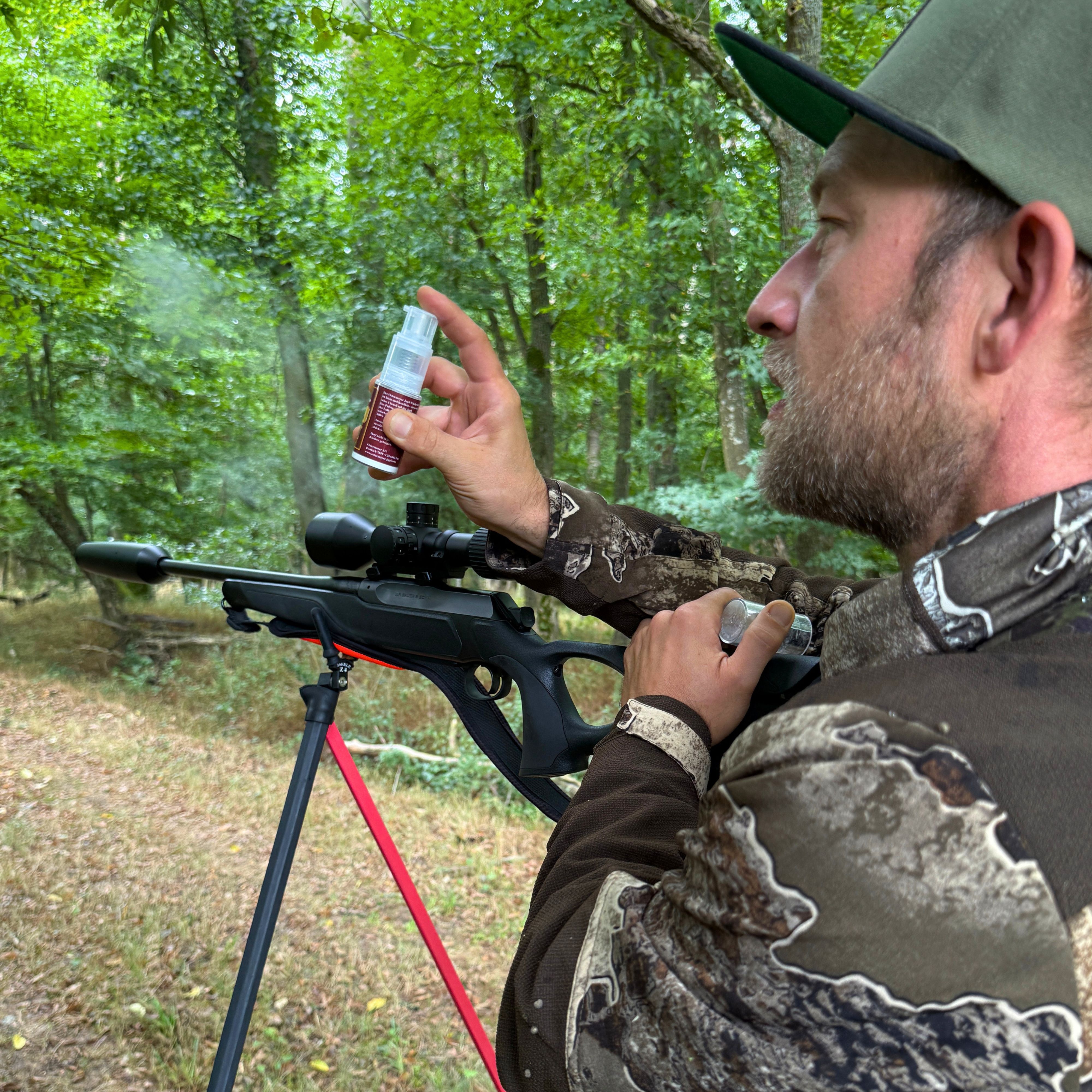
Calling roe bucks from a ground blind demands exceptional concentration. Unlike hunting from an elevated high seat, the hunter operates at eye level with the game, sacrificing the broader overview in exchange for a much more intimate encounter. That close proximity requires not only solid hunting skills but also a deep understanding of timing, roe deer behavior, wind conditions, and the many subtle factors that determine success.

Understanding the Roe Deer Rut


Across Central Europe, the roe deer rut generally takes place between late July and mid-August. The exact timing varies depending on elevation, weather conditions, and local population dynamics. More important than the calendar itself, however, is recognizing the different stages of the rut, as these are directly reflected in buck behavior.

One often underestimated factor influencing calling success is the buck-to-doe ratio within a hunting area. Where the population contains a high proportion of does, competition among bucks is reduced. With plenty of receptive females available, mature bucks are typically less inclined to investigate calling sounds. In areas with a more balanced sex ratio, competition increases significantly, making bucks far more responsive to calls.

Understanding the roe buck's senses is equally important. A buck relies primarily on its sense of smell, followed by its exceptional hearing. Vision is highly adapted to detecting movement but is less effective at recognizing fine details. 

Consequently, wind management and quiet movement are considerably more important than camouflage alone.

Practical approach: Reaching the stand and choosing the right position
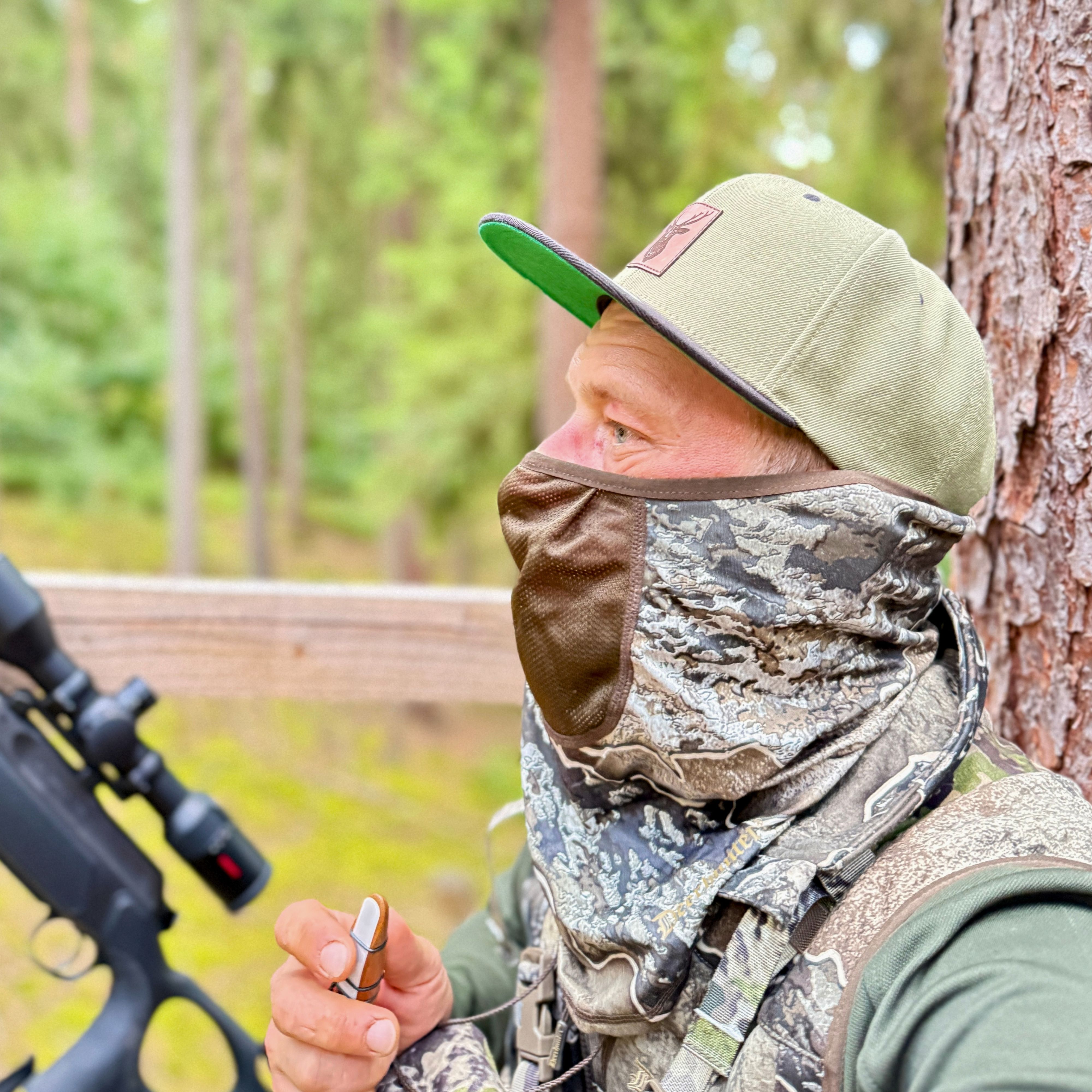
Actual hunting success does not begin with the calling itself, but already with the approach to the stand. A carefully chosen stalking route minimizes disturbance within the territory and prevents game from becoming unsettled before the hunt even begins.
 Once at the stand, patience is crucial. Starting to call immediately may work against residual disturbance in the area. A short phase of observation and allowing things to settle ensures that the surroundings calm down and the game resumes natural behavior.


Promising locations are often found at transitions between bedding areas and feeding areas, or in structurally rich environments such as woodland edges, thicket margins, and light mature stands. Here, roe deer find both cover and visibility during the rut.
 Your own position should always be chosen so that the wind comes from the expected line of approach, the background provides sufficient cover, and your silhouette is not outlined against the sky.

The language of roe deer – targeted and situational use

Calling is not a mechanical sequence of sounds, but a form of communication. In addition to choosing the right call, timing is especially important. The doe call forms the foundation, imitating a receptive female. It should be used sparingly and naturally. Short sequences followed by pauses are far more convincing than continuous calling.
 The distress or alarm call signals a pursued or pressured doe and can trigger strong reactions, particularly in dominant bucks. Its use, however, should be deliberate and precise. Experienced bucks, in particular, often approach with delay and attempt to verify the source of the sound by scent. This typical circling behavior highlights the importance of patience and strict wind discipline.

Wind, thermals and venison hygiene

The influence of wind and thermals is of central importance when calling roe bucks. Bucks will almost always try to approach a supposed doe against the wind in order to pick up scent. At the same time, thermal air movement—rising warm air in the morning or descending cool air in the evening—often influences scent dispersion more strongly than the actual wind.
 Another practical aspect is venison hygiene, especially given the often high temperatures during the rut. As little time as possible should pass between the shot and handling of the animal. Quick recovery, prompt field dressing, and cooling—ideally in the shade—are essential for maintaining venison quality. Delays in warm summer conditions have an immediate negative impact.

Optics and shot preparation in practice
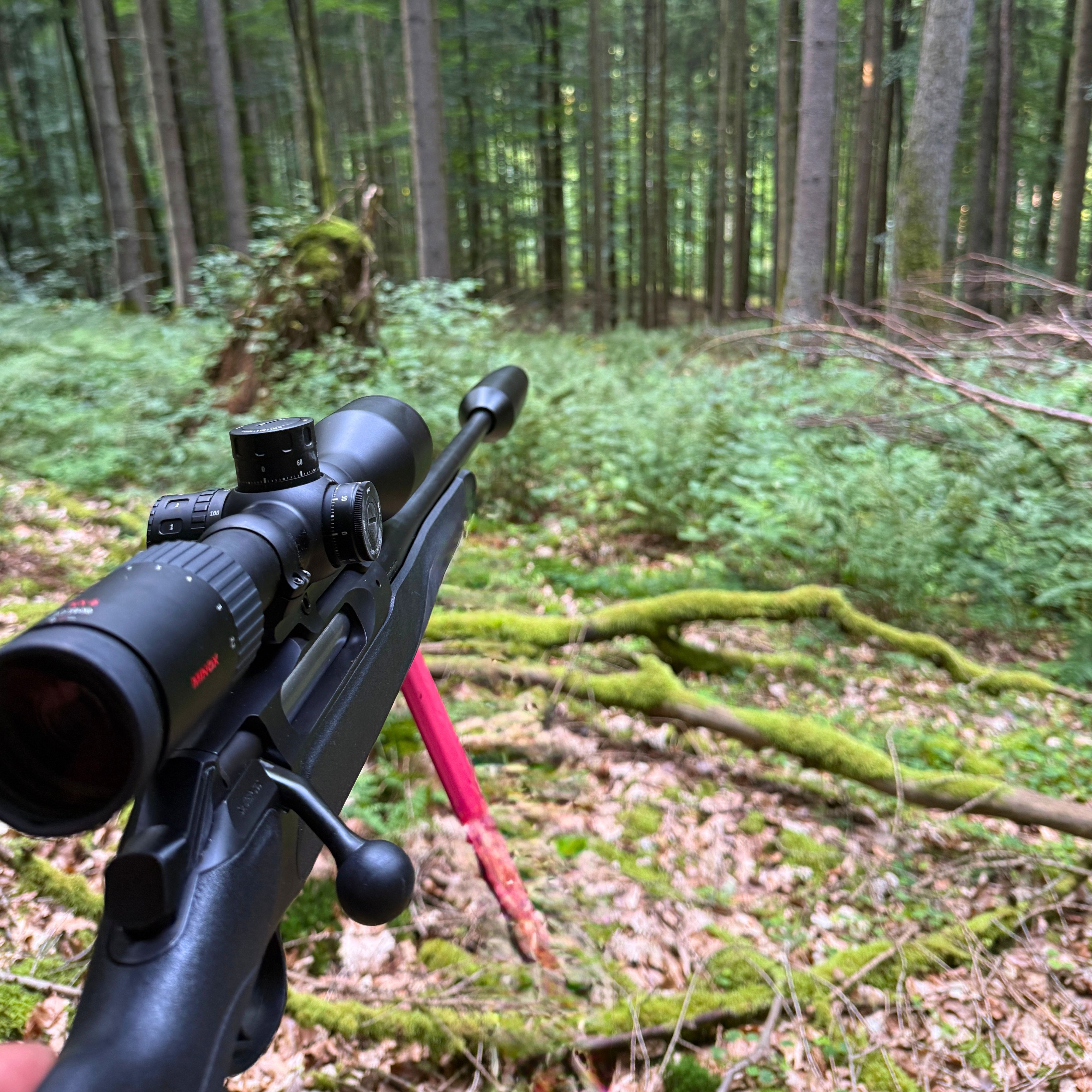
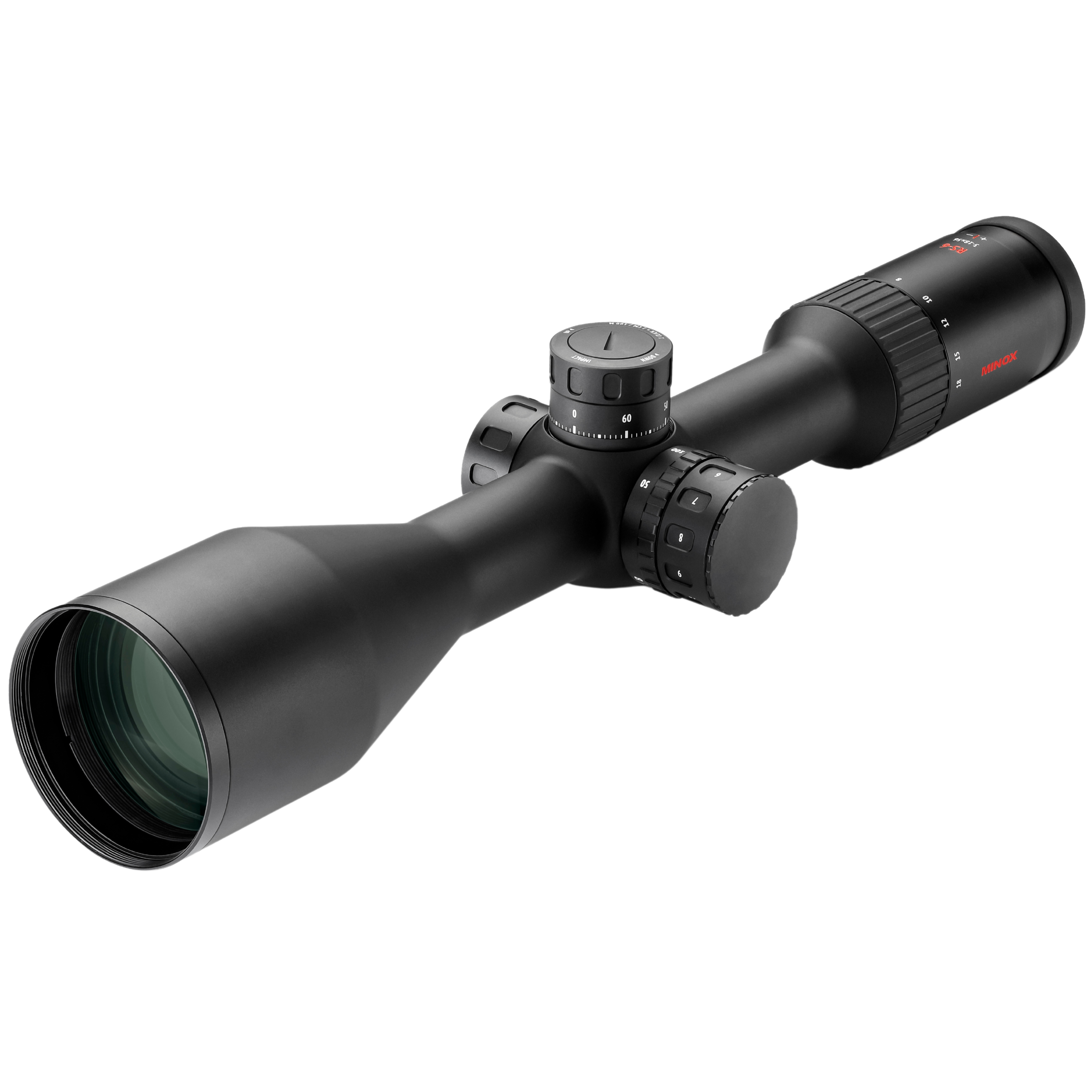
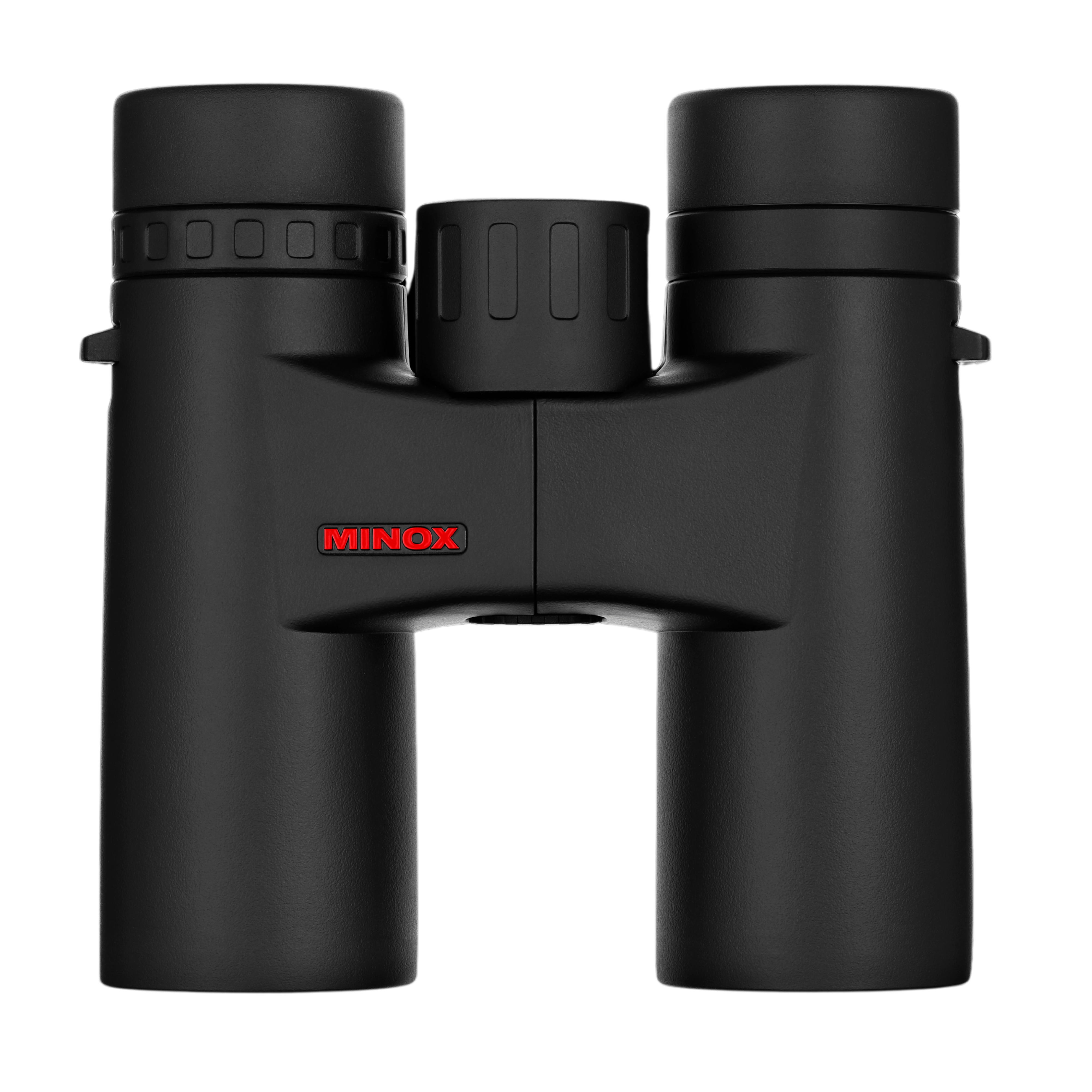
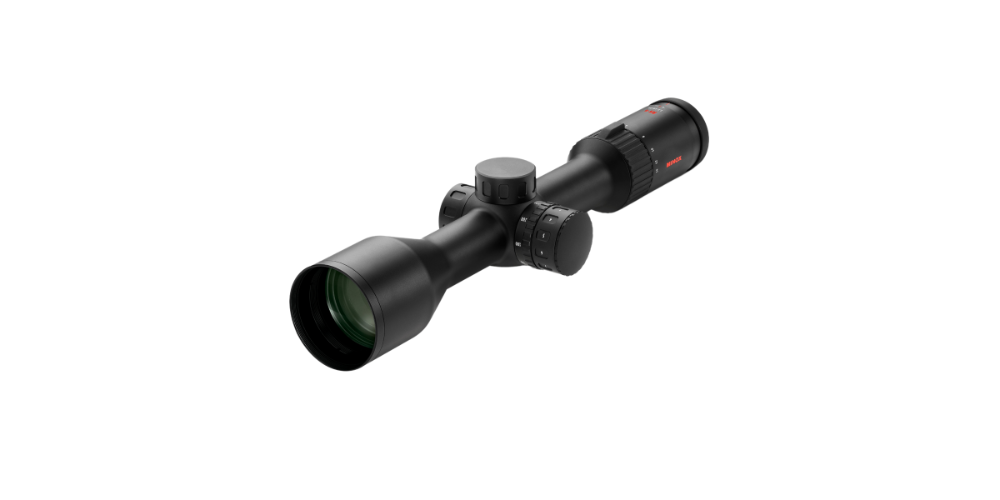
Calling roe bucks is characterized by fast, often surprising situations at close range. This results in clear requirements for equipment. Riflescopes with low minimum magnification provide a wide field of view and enable quick target acquisition. Especially in dense cover or when game appears suddenly, this is a decisive advantage. Versatile optics such as a 1–6x24 or a 1.6–10x42 offer a practical combination of overview and sufficient magnification.
 A frequently underestimated factor is the point of impact at short distances. Many rifles are primarily zeroed for 100 meters. However, as most shots during calling occur well under 50 meters, the rifle should be specifically checked for these distances. Practice shooting at typical hunting ranges is an essential component of ethical hunting practice.

Safe identification under time pressure

Although calling roe bucks is dynamic, safe and positive identification remains essential. Bucks often appear suddenly, move quickly, and disappear just as fast back into cover.

 Nevertheless, one rule applies without exception: a shot must only be taken when the animal has been clearly identified. Age class, physical characteristics, and the surrounding context—such as an accompanied doe or the presence of fawns—must be clearly recognized.

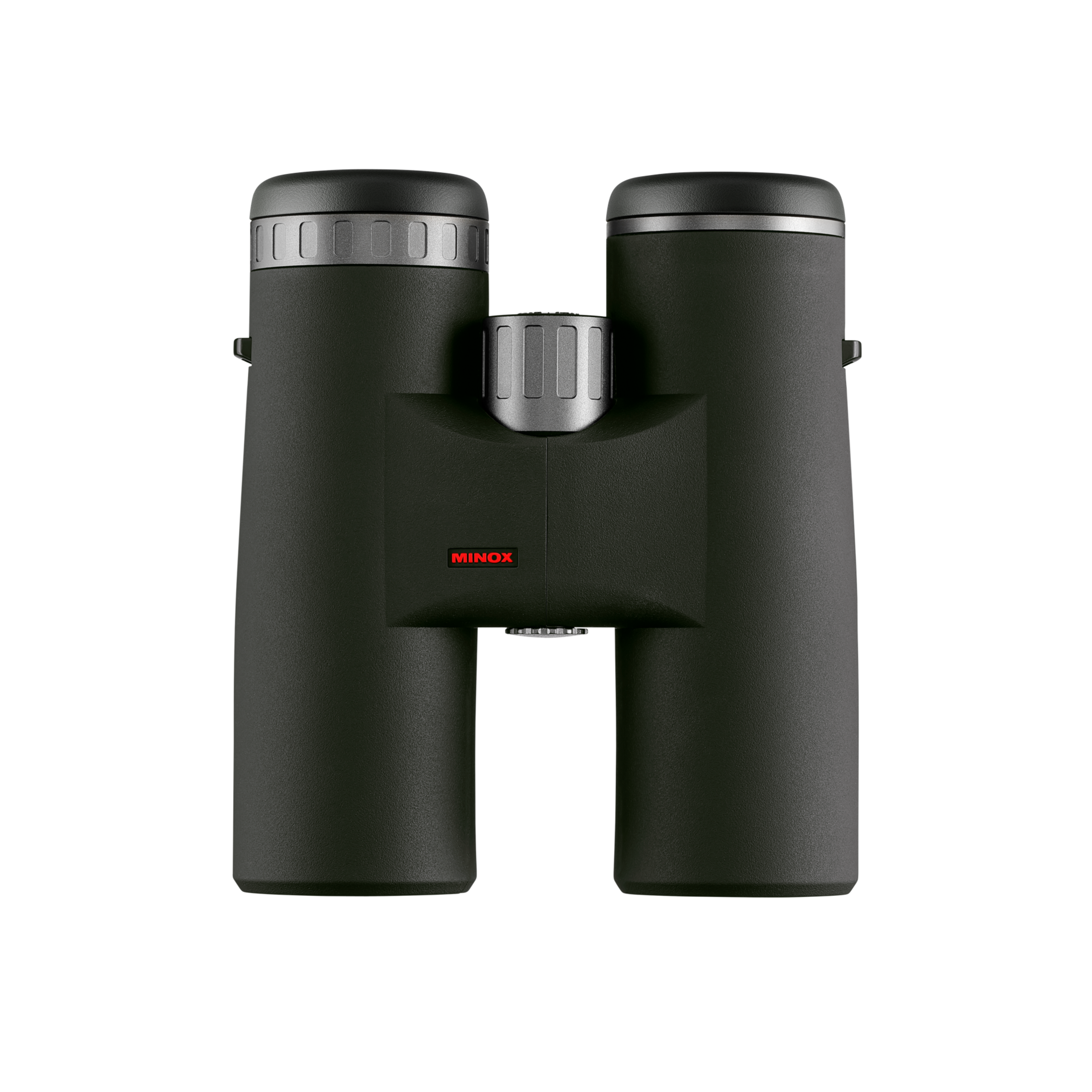
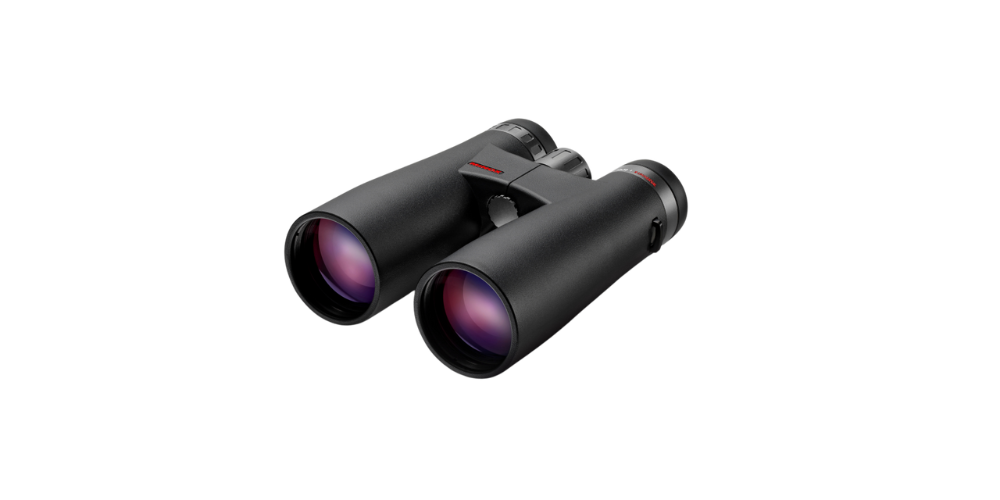
 Especially under changing light conditions or in dense vegetation, high-quality optics prove their value by reliably revealing details even in short observation windows.

When the moment comes
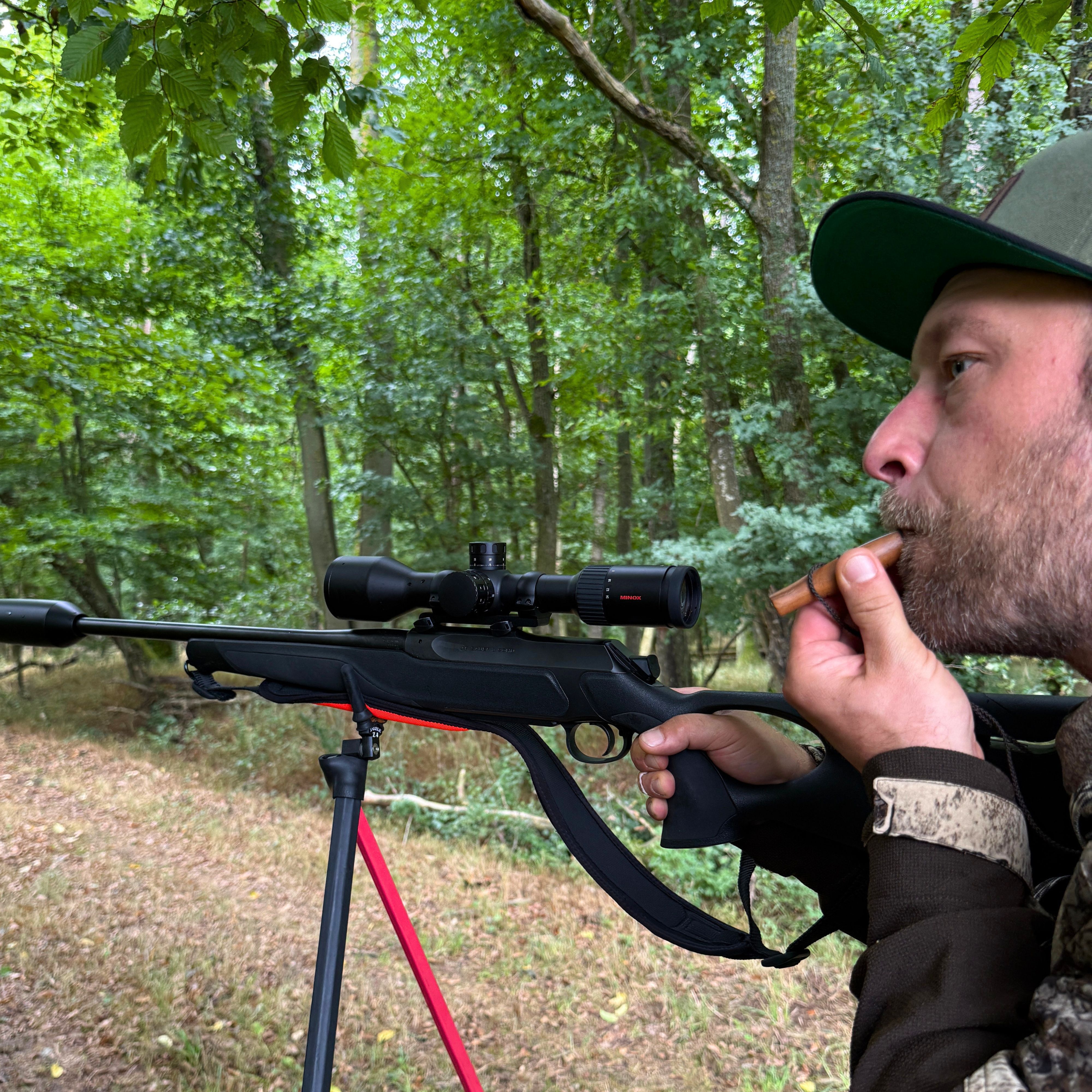
A characteristic feature of calling roe bucks is the abrupt shift from complete stillness to sudden action. Minutes often pass without any movement, before a buck approaches almost silently to within just a few meters.

These situations require controlled behavior:
No hasty movements, calm observation, and a deliberate moment of decision. Not every buck presents a safe shot opportunity—and this is precisely where an essential aspect of ethical hunting practice lies.


Common misconceptions

 Some assumptions persist in practice but must be reconsidered upon closer examination:
 Frequent calling does not automatically increase success—it often appears unnatural
 Bucks rarely come in directly but prefer to circle downwind
 Young bucks also respond much more strongly than often assumed
 A high proportion of does can measurably reduce hunting success
 Midday can be productive during the peak of the rut

Summary

 The rut predominantly takes place between the end of July and mid-August
 The sex ratio significantly influences the activity level of bucks
 A quiet approach and a short waiting period at the stand are essential
 Wind and thermals largely determine the behavior of the game
 Low minimum magnification in riflescopes facilitates rapid target acquisition
 Venison hygiene requires consistent action in high temperatures
 Practice shots at close range are a prerequisite for ethical hunting

Conclusion

Calling roe bucks from a ground blind is one of the most demanding forms of hunting.


It requires a fine understanding of roe deer behavior, a precise reading of wind and terrain, and discipline in every step—from the approach to the stand to taking the shot. Those who take these factors into account and hunt with awareness and deliberation will not only be more successful, but will also hunt more intensively and sustainably.

Waidmannsheil!

Autor

Autoren-Modul_Christian_Baumeister_Banner_IV_30x30


CHRISTIAN BAUMEISTER

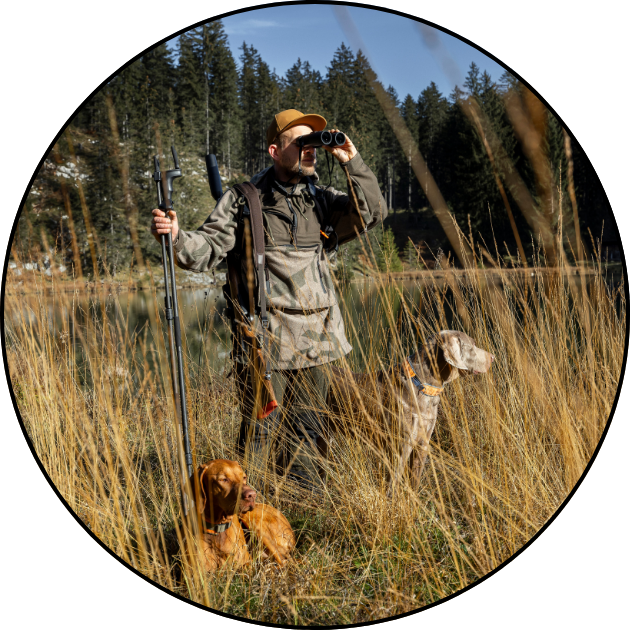
Hunting has been an integral part of my life for over 20 years. As a passionate hunter, leaseholder and dog handler, it shapes my daily life and my way of thinking. For me, hunting means far more than simply bagging game – it is a lifelong calling.

It demands responsibility, consistency and, above all, ethical conduct in my daily actions. Treating game and nature with respect is my top priority. Every decision made in the hunting ground carries weight – and that is precisely what makes hunting such a great gift to me.

Working with the dog, looking after the hunting ground and consciously experiencing nature are just as important to me as the moment of the shot. Hunting is not a break from everyday life – it is part of my life.

That is why I rely on equipment that supports me reliably and performs well in real-world conditions. Because out there in the hunting ground, only one thing counts: trust in what you carry with you.