
EPP OPTICAL SIGHT
WHEN PRECISION, TECHNOLOGY AND DYNAMICS COME TOGETHER
Anyone who knows me knows that I appreciate variety on the shooting range. That is exactly why the BDMP discipline EPP Optical Sight (EPP-OS) has fascinated me for many years. It combines everything that, in my view, defines excellent handgun shooting: precision, concentration, safe firearm handling, and the ability to continually adapt to new situations. Unlike traditional precision shooting, you do not remain in one position and fire at the same distance throughout the entire course. Instead, the European Precision Course (EPP) guides competitors through different stages, shooting positions, and target distances. At times, maximum precision is required; at others, rapid action under time pressure becomes crucial. This versatility is what makes the discipline so exciting for me.
The Optical Sight variant also introduces modern technology into the equation. Red dot sights allow for fast target acquisition and have become firmly established in competitive shooting. Nevertheless, the most important factor remains the shooter.
Technology can support performance, but it cannot replace precision, disciplined execution, and consistent training.
What Is EPP Optical Sight?
The European Precision Course (EPP) is one of the most recognized handgun disciplines within the Association of Military and Police Shooters (BDMP). The discipline was designed to combine a variety of shooting skills within a single competition. Shooters must engage targets accurately at different distances and from various shooting positions while safely executing prescribed procedures. EPP Optical Sight (EPP-OS) follows the same fundamental principles but permits the use of modern red dot sights (RDS). This facilitates target acquisition without reducing the technical and practical demands of the discipline.
It is precisely this blend of traditional marksmanship skills and modern optics that makes EPP-OS particularly appealing to many competition shooters today.
A Course Instead of a Single String of Fire
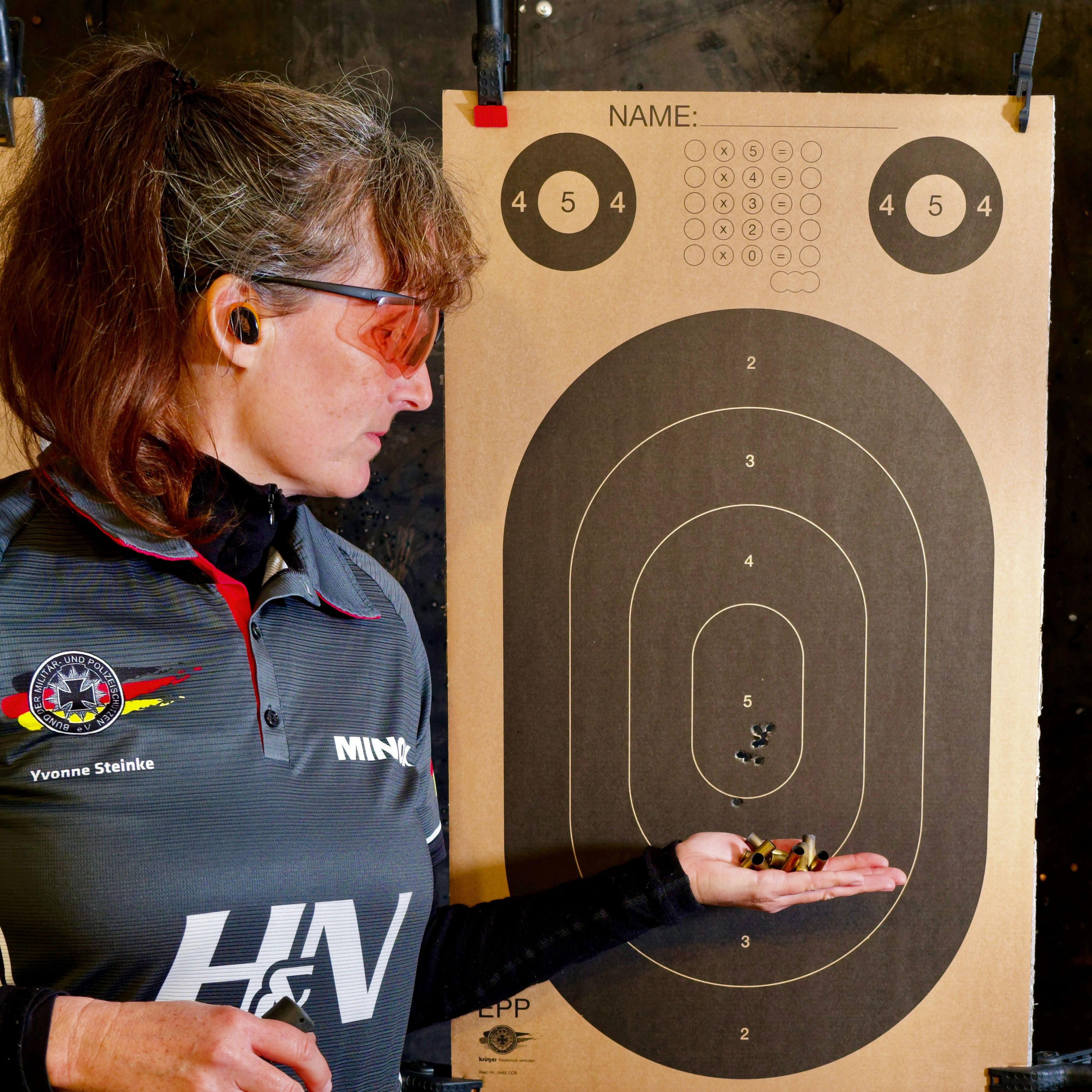
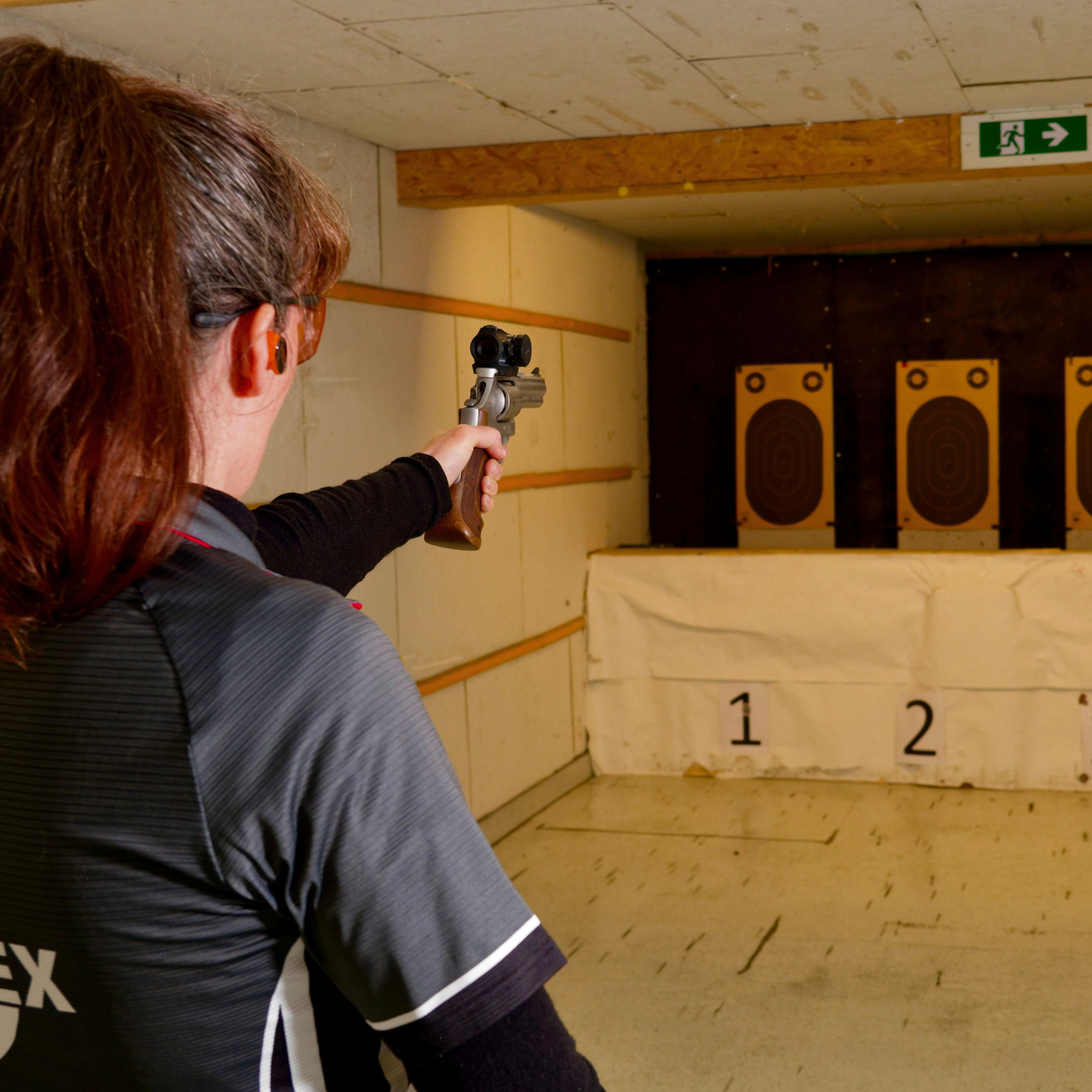
While many handgun disciplines are conducted at a fixed distance, EPP emphasizes variety. A complete match consists of six stages comprising a total of 50 rounds. Target distances range from 7 to 30 meters. In addition, competitors encounter different shooting positions and varying time limits. As a result, shooters must constantly adapt to new situations throughout the match.
At times, long-range precision is the key challenge. At others, quick decision-making and smooth gun handling determine the outcome. This variety ensures that no two stages feel exactly alike.
The Opening Stage: Fast Decisions at Close Range
The first stage is shot at a distance of 7 meters. Two strings of five rounds each must be completed within just 15 seconds. A mandatory magazine change or speedloader reload is part of the prescribed procedure. Many competitors underestimate this exercise. The short distance initially suggests a relatively easy task. In reality, mistakes often occur due to rushed shots or inefficient handling.
Shooters who remain calm and maintain control establish a strong foundation for a successful overall score right from the start.
When Every Millimeter Counts
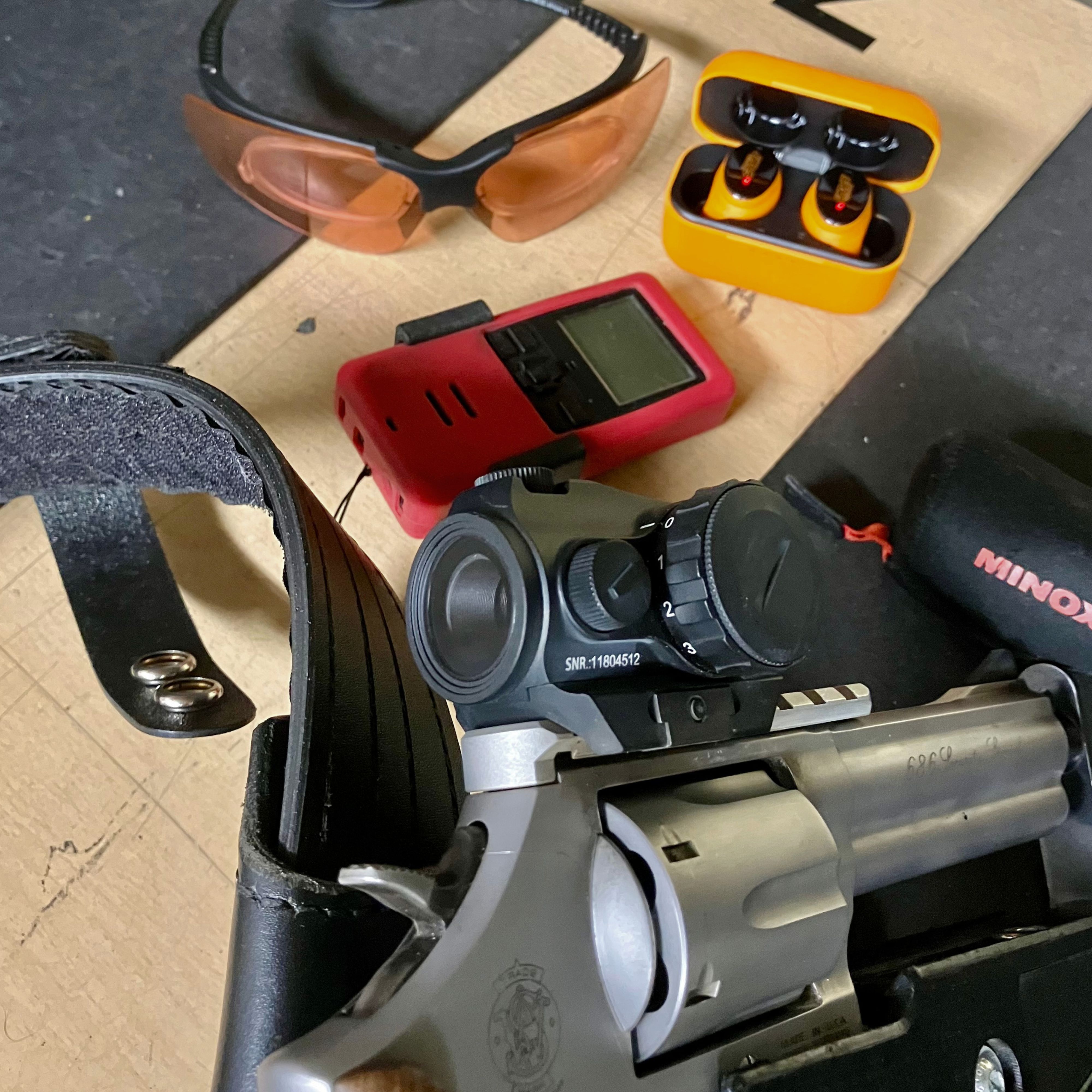
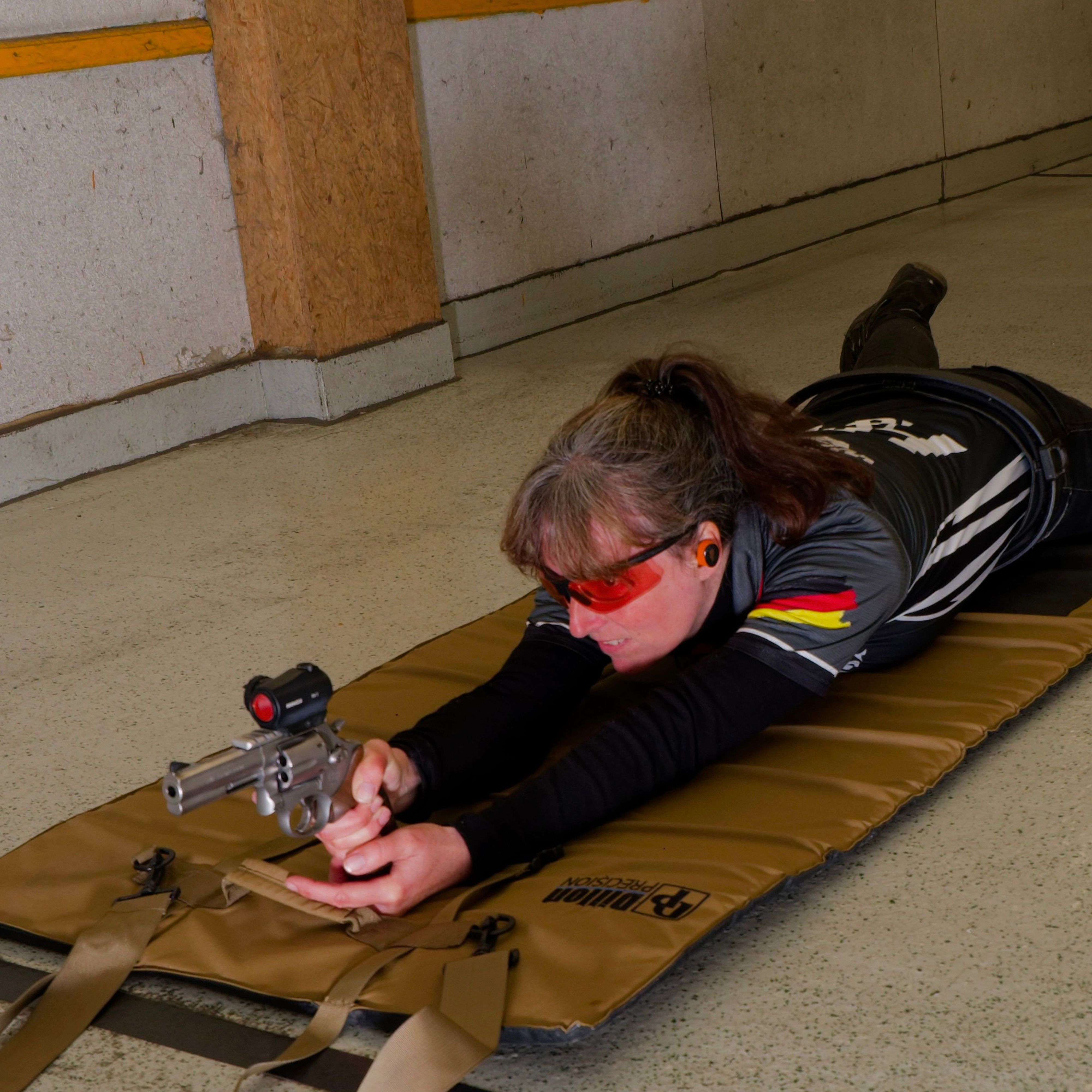
Following the fast-paced opening comes the longest distance of the entire course. At 30 meters, competitors fire five rounds from the prone position. Here, pure precision becomes the primary focus. Minor errors that are barely noticeable at short distances become significantly more apparent at 30 meters. This stage places high demands on shooting position, breathing control, and trigger management. Even the most advanced red dot sight can only perform to its full potential when the shooter applies sound marksmanship fundamentals.
Precision from Unconventional Positions
At 25 meters, competitors face one of the most technically demanding stages of the match. Targets are engaged both to the right and left of a barricade, and the shooter must switch between the strong and support hand. This exercise requires far more than simply producing a tight group. Shooters must adapt their normal shooting mechanics while maintaining complete control of both firearm and target picture.
This stage clearly demonstrates the versatility of the European Precision Course and highlights how it differs from conventional precision shooting competitions.
The Transition Between Stability and Movement
As the course progresses, competitors alternate between seated, kneeling, and standing positions. One of the most challenging stages takes place at 15 meters. After firing a string from the kneeling position, shooters must immediately transition to the standing position. They then have just 10 seconds to fire an additional five rounds.
This stage is not merely about speed. The key is to re-establish a stable sight picture after changing position and deliver controlled, accurate shots under time pressure.
A Demanding Finish
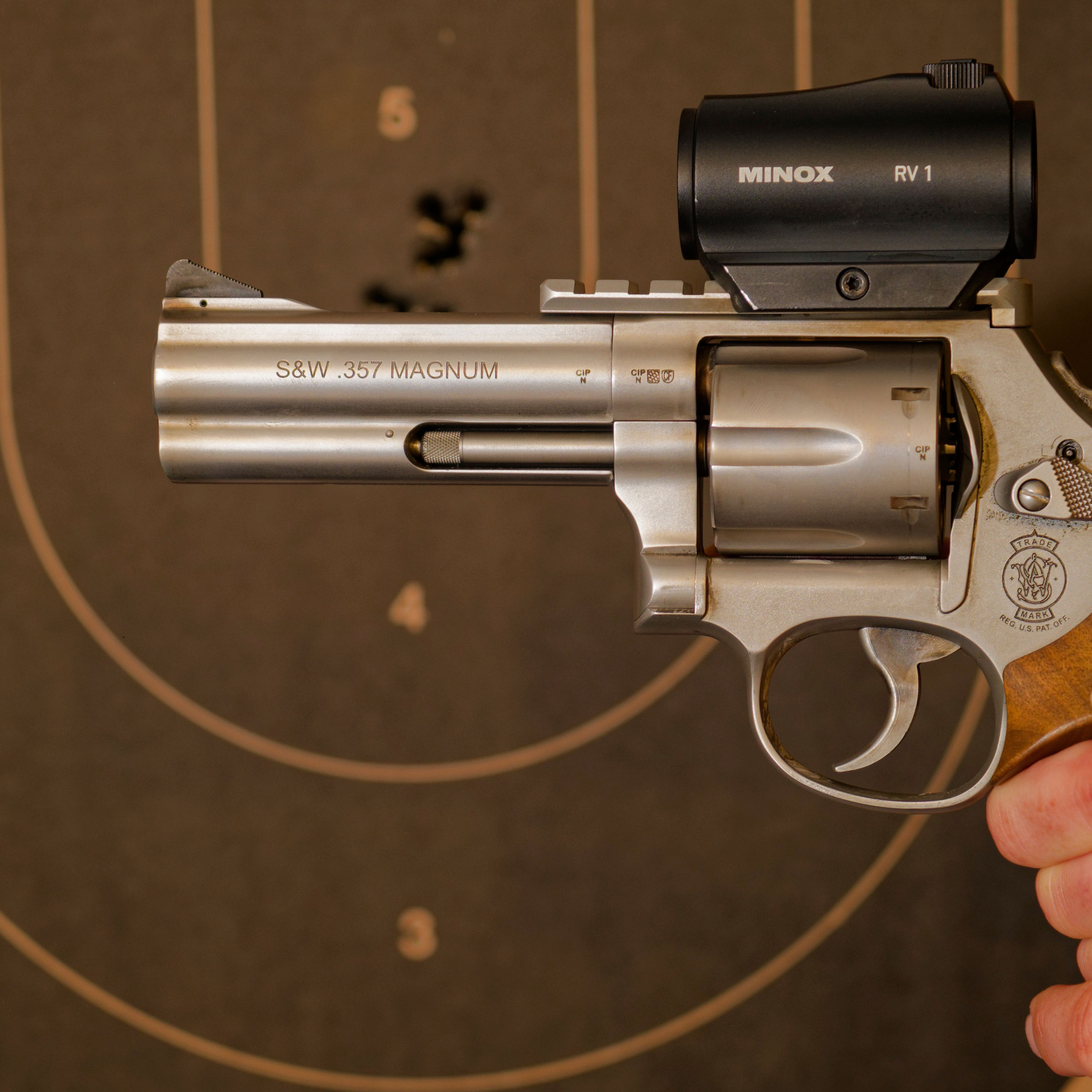
The final stage is conducted at 10 meters and requires maximum concentration. First, five rounds are fired one-handed at a target. The shooter then transitions to a second target and engages it using a two-handed grip. After several demanding stages, this final exercise often determines the overall ranking. Maintaining focus until the very last shot is therefore essential.
Safety as a Core Element of the Discipline
As with all BDMP disciplines, safe firearm handling has the highest priority. Every procedure is clearly defined and must be followed precisely by all participants. From loading and firing to holstering the firearm after completing a stage, safety remains the overriding concern at all times. In addition, the first shot of each exercise is fired in double-action mode, placing even greater emphasis on trigger control.
EPP Optical Sight therefore demands not only accurate shooting but also a high degree of discipline, responsibility, and gun-handling competence.
Why Red Dot Sights Are Becoming Increasingly Popular
The most significant difference between traditional EPP and EPP Optical Sight lies in the sighting system. Instead of iron sights, competitors use modern red dot sights. The primary advantage is that the shooter's visual focus can remain largely on the target rather than shifting attention between rear sight, front sight, and target. The illuminated aiming point is simply superimposed onto the target, making target acquisition faster and often more intuitive. This technology is particularly beneficial when shooting from changing positions, working under tight time constraints, or engaging multiple targets. For this reason, red dot sights continue to gain popularity in both competitive shooting and modern service pistols.
One point remains important: a red dot sight does not replace shooting fundamentals. A proper grip, consistent trigger press, and stable shooting position remain the foundation of accurate shooting.
Common Misconceptions About EPP Optical Sight
“A red dot sight makes everything easier.”
Red dot sights can facilitate target acquisition, but they do not replace proper shooting technique. Strong results still come from training, experience, and consistent practice.
“EPP-OS is less demanding than traditional EPP.”
The stages, distances, and technical requirements are essentially identical to those of standard EPP. The primary difference is the sighting system.
“At short distances, speed is all that matters.”
Even at 7 or 10 meters, small mistakes can result in the loss of valuable points. Precision remains critical throughout the entire competition.
For me, EPP Optical Sight is one of the most versatile and engaging handgun disciplines within the BDMP.
Few other disciplines combine varying distances, shooting positions, and technical challenges in such a comprehensive manner.
What makes it particularly appealing is the balance between precision and dynamics. Every shot counts, yet competitors must continuously adapt to changing situations and adjust their technique accordingly. This ensures that every match presents new challenges, even for experienced shooters.
The option to use modern red dot sights complements this concept perfectly. They offer advantages in target acquisition without changing the core essence of the discipline. Ultimately, success is still determined by sound marksmanship fundamentals, concentration, and safe firearm handling.
That is exactly why EPP Optical Sight continues to fascinate me today. The discipline challenges a broad range of skills while showcasing the versatility of modern handgun shooting. For anyone who wants to experience precision in combination with technology, movement, and controlled gun handling, EPP-OS offers a truly rewarding challenge.
Yvonne Steinke – MINOX Brand Ambassador and Active BDMP Competitor

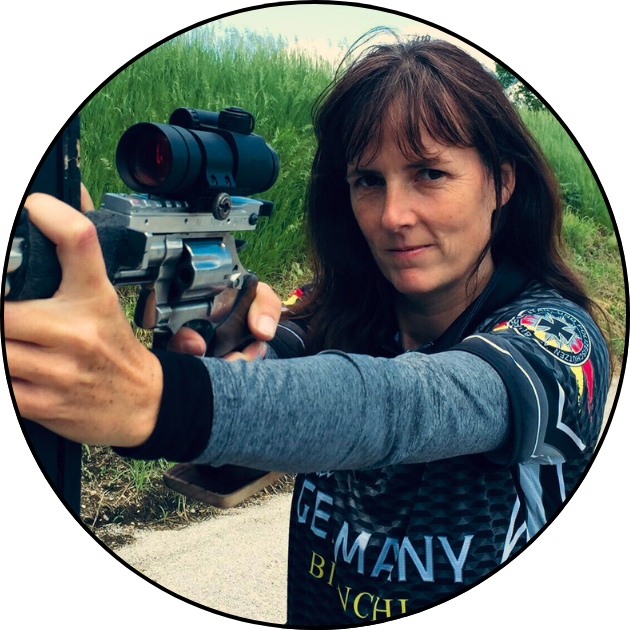
Yvonne Steinke
Sport shooter with a focus on the Bianchi Cup (BDMP), passionate about shooting revolvers and using optics. Since 2023, she holds the title of European Champion in Bianchi Cup Rimfire Open. In addition, she is a young and enthusiastic hunter.
Equipment:
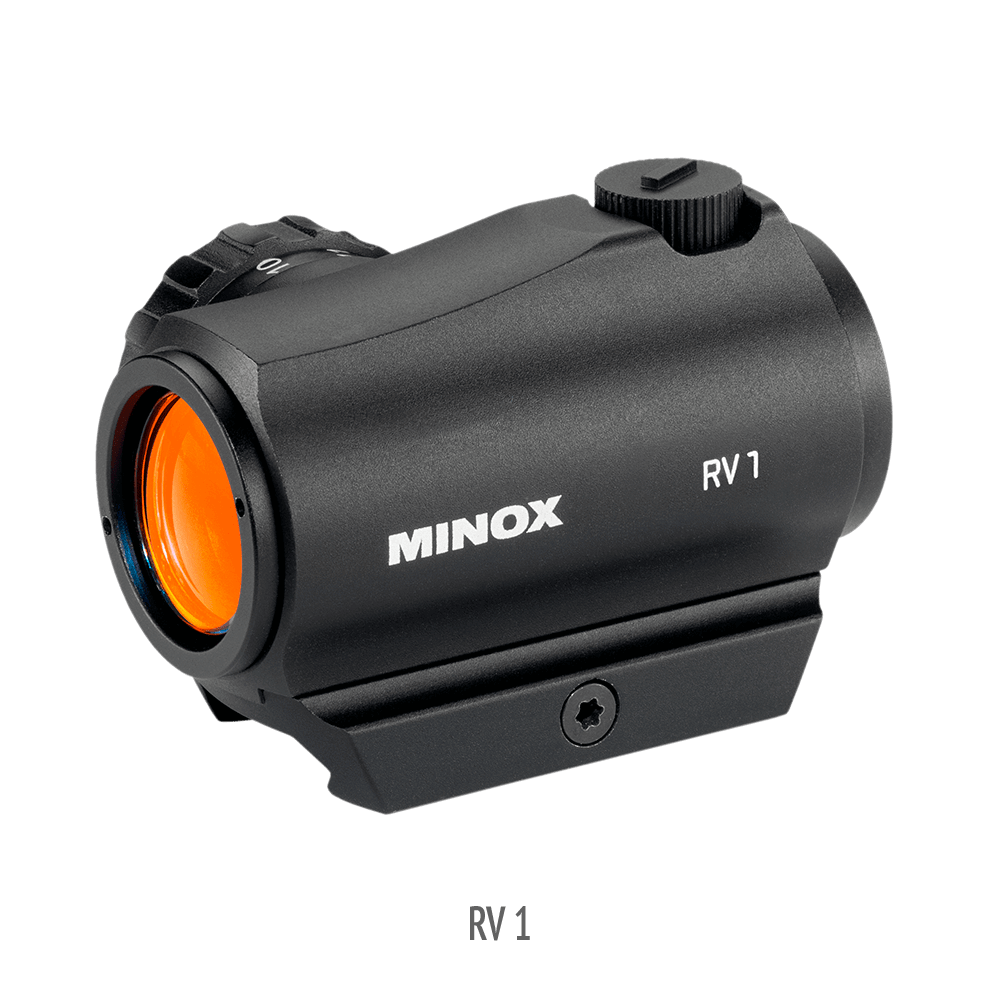
RV 1
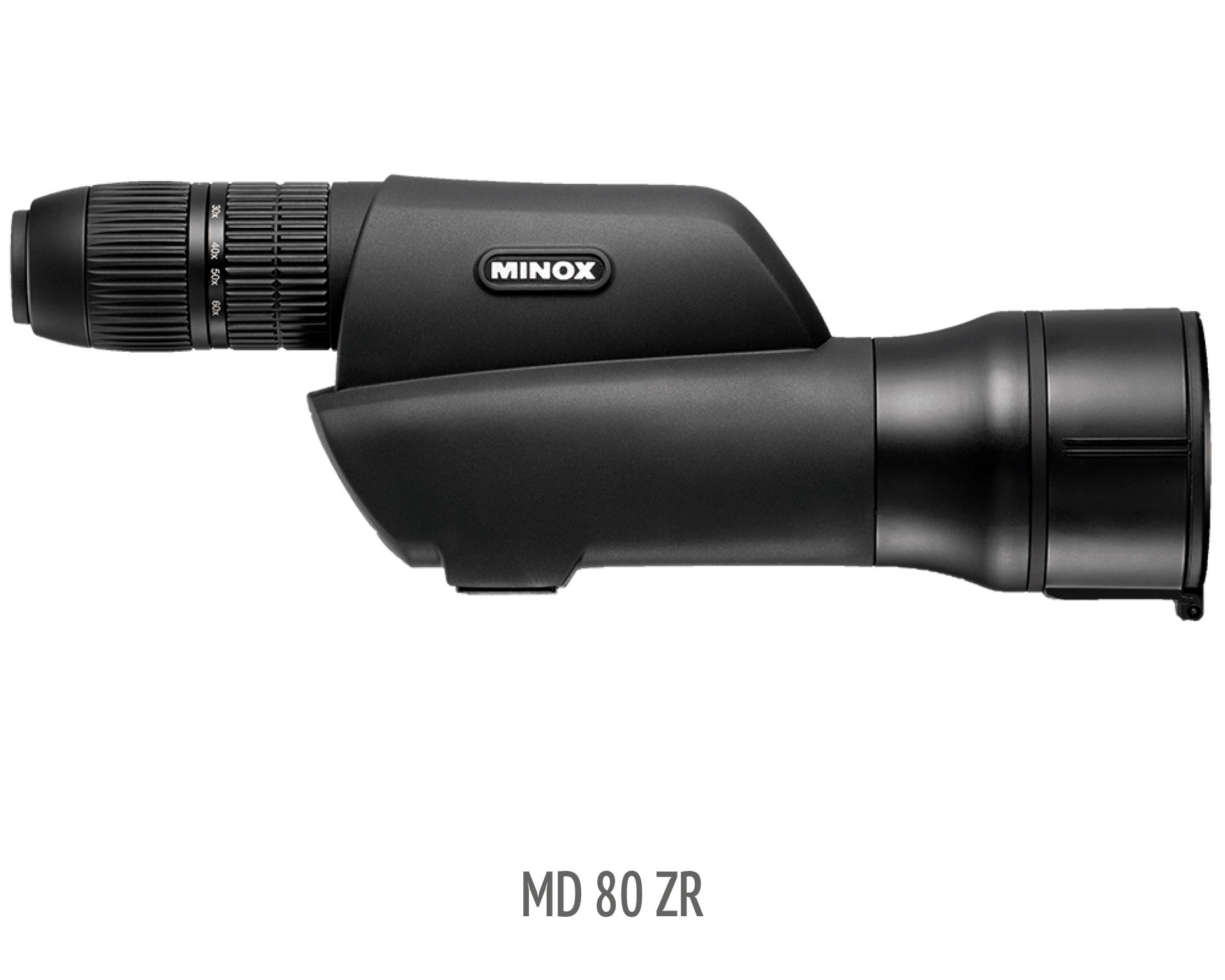
MINOX MD80ZR