
CALLING ROE BUCKS FROM A GROUND BLIND
Precision, Fieldcraft, and Perfect Timing
As the roe deer rut begins in late July, the behavior of roe deer changes dramatically. Bucks become more active, highly territorial, and far more responsive to calling than at any other time of the hunting season. For many hunters, this is the most exciting and rewarding period of the year.
Calling roe bucks from a ground blind demands exceptional concentration. Unlike hunting from an elevated high seat, the hunter operates at eye level with the game, sacrificing the broader overview in exchange for a much more intimate encounter. That close proximity requires not only solid hunting skills but also a deep understanding of timing, roe deer behavior, wind conditions, and the many subtle factors that determine success.
Understanding the Roe Deer Rut
Across Central Europe, the roe deer rut generally takes place between late July and mid-August. The exact timing varies depending on elevation, weather conditions, and local population dynamics. More important than the calendar itself, however, is recognizing the different stages of the rut, as these are directly reflected in buck behavior.
One often underestimated factor influencing calling success is the buck-to-doe ratio within a hunting area. Where the population contains a high proportion of does, competition among bucks is reduced. With plenty of receptive females available, mature bucks are typically less inclined to investigate calling sounds. In areas with a more balanced sex ratio, competition increases significantly, making bucks far more responsive to calls.
Understanding the roe buck's senses is equally important. A buck relies primarily on its sense of smell, followed by its exceptional hearing. Vision is highly adapted to detecting movement but is less effective at recognizing fine details.
Consequently, wind management and quiet movement are considerably more important than camouflage alone.
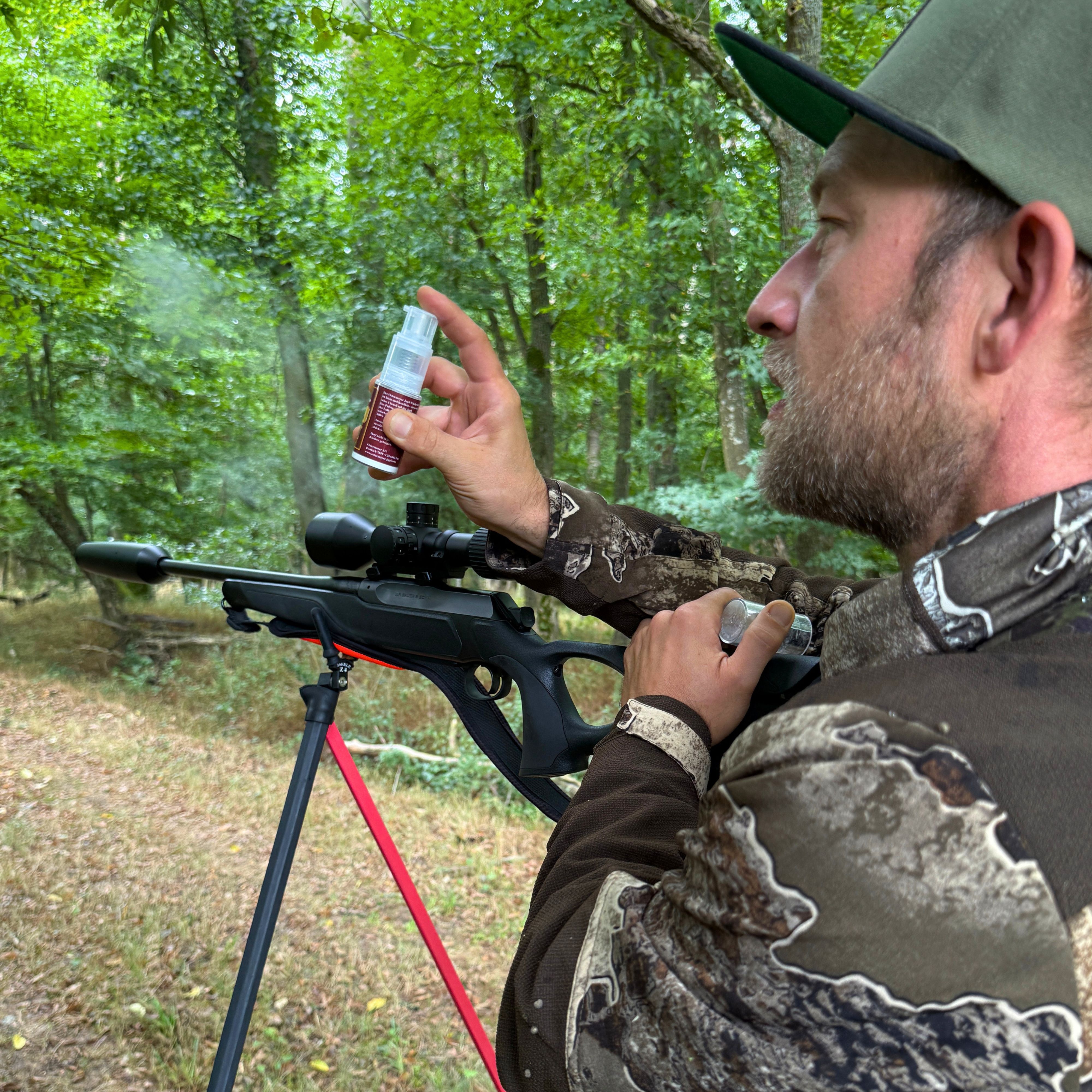
Practical approach: Reaching the stand and choosing the right position
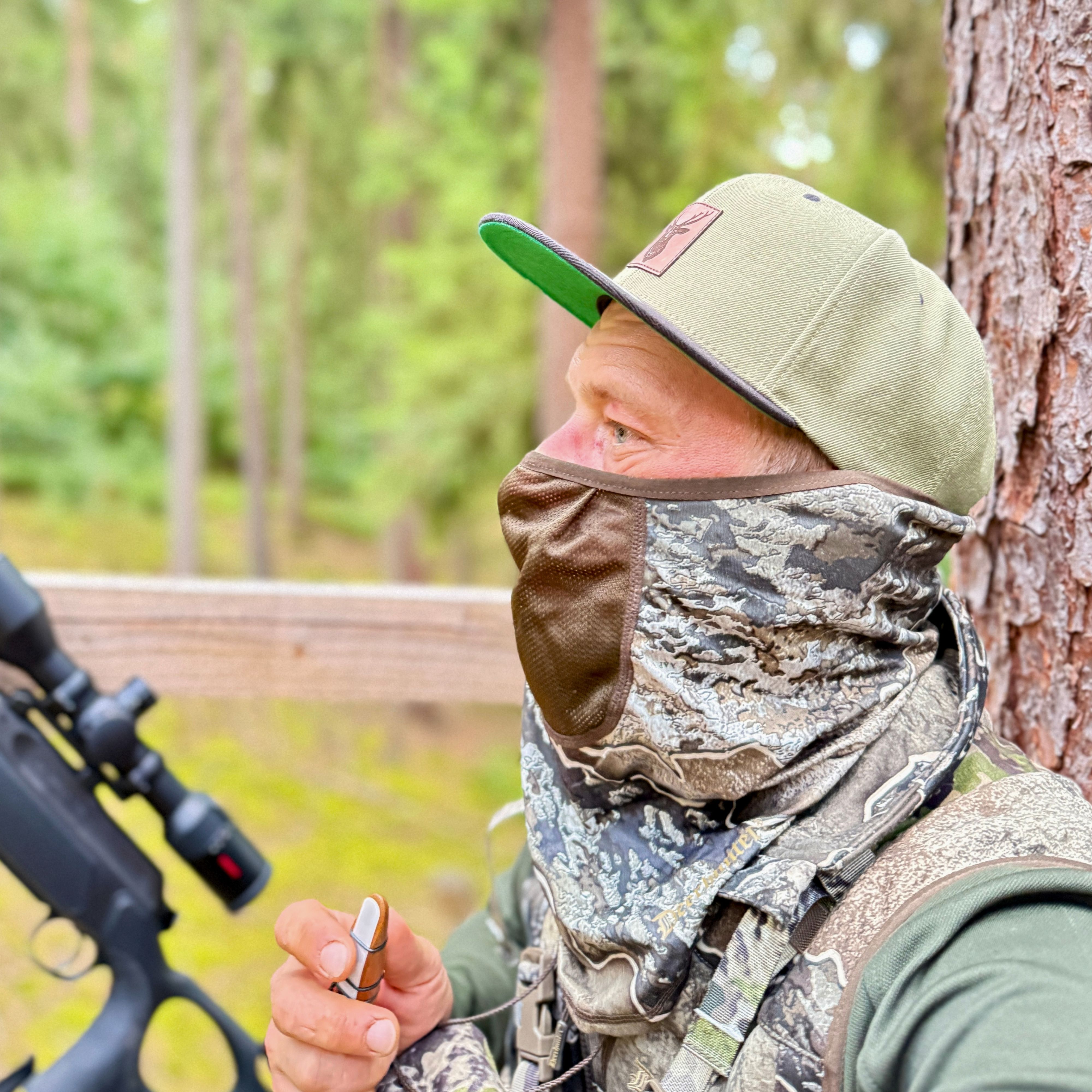
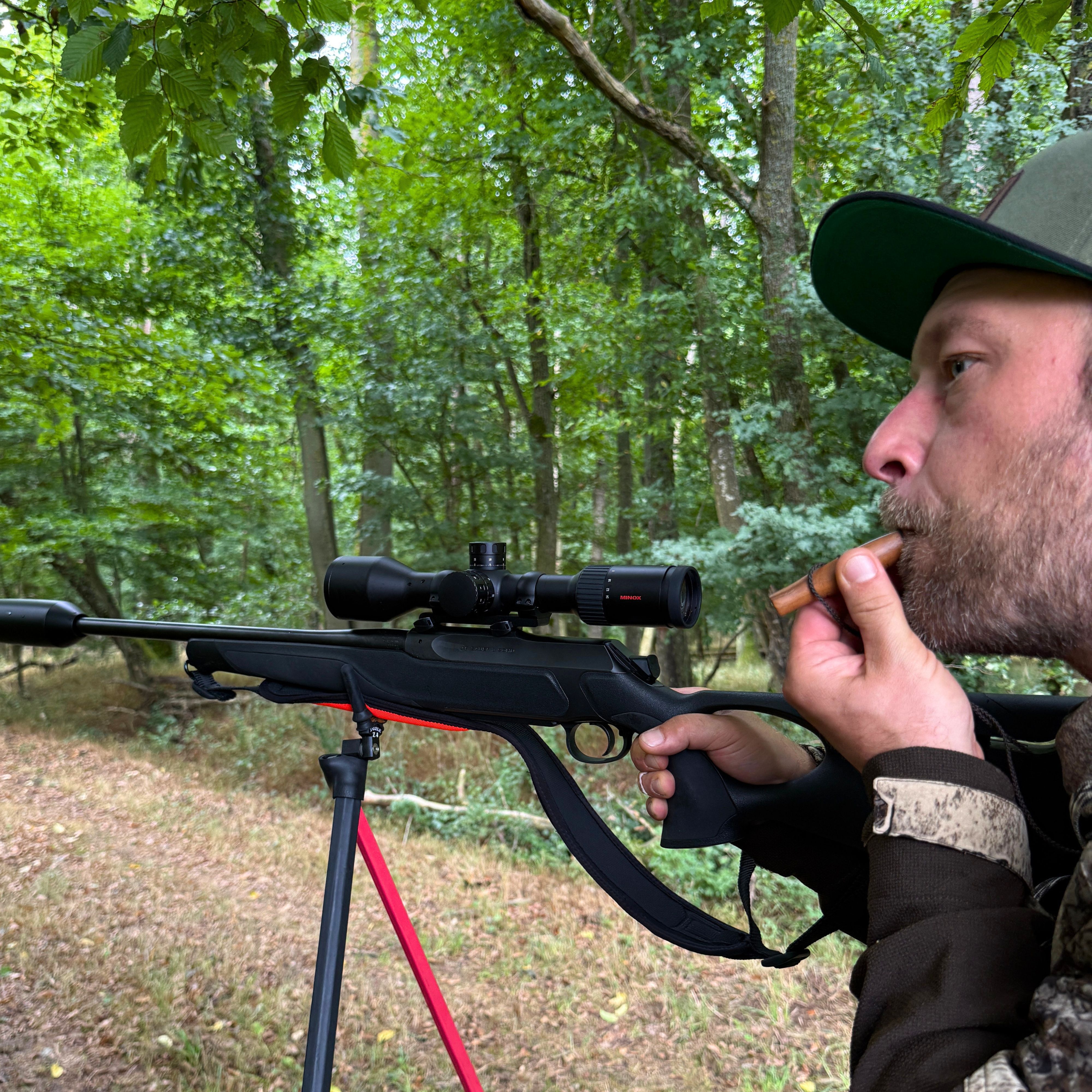
The language of roe deer – targeted and situational use
Wind, thermals and venison hygiene
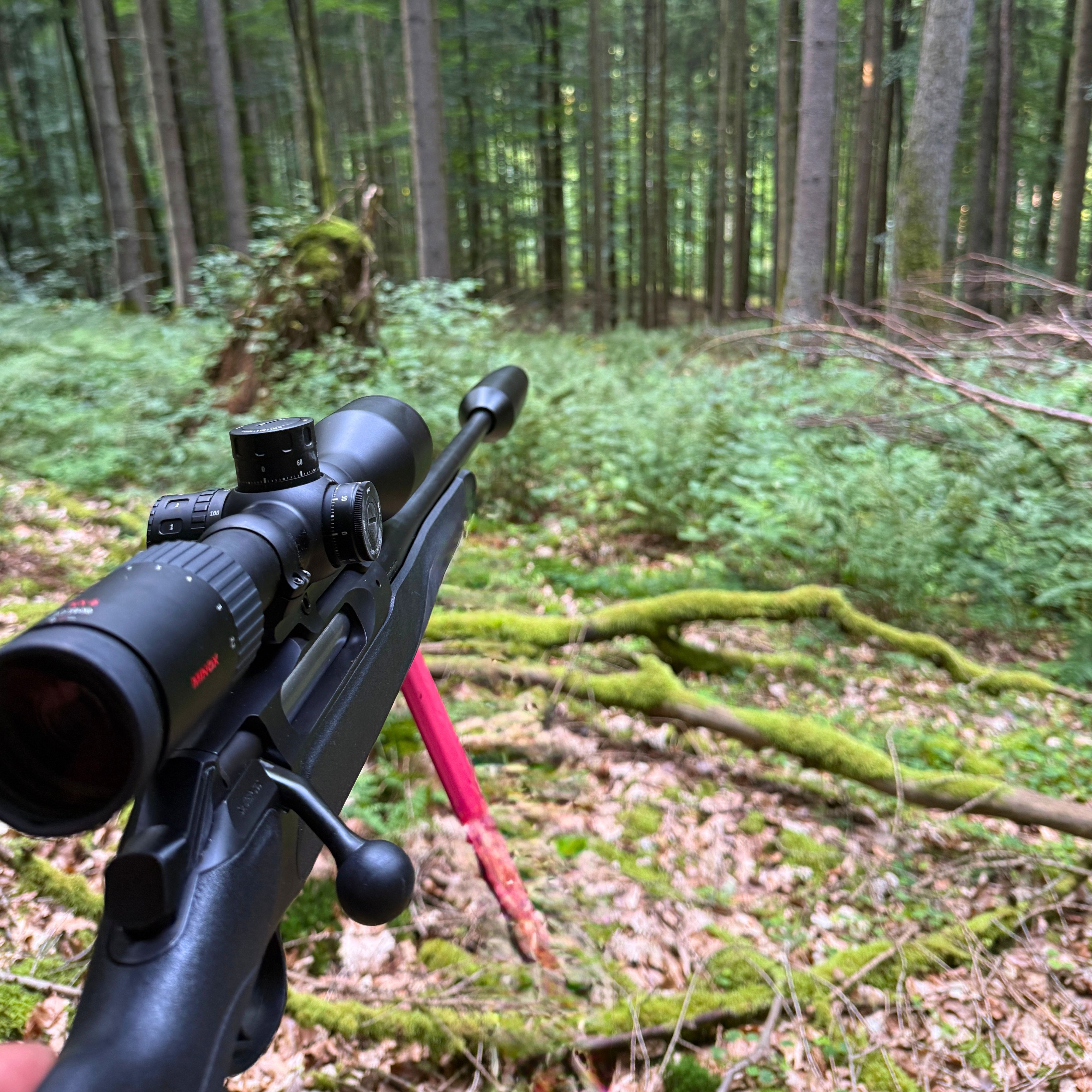
Optics and shot preparation in practice
Safe identification under time pressure
Although calling roe bucks is dynamic, safe and positive identification remains essential. Bucks often appear suddenly, move quickly, and disappear just as fast back into cover.
Nevertheless, one rule applies without exception: a shot must only be taken when the animal has been clearly identified. Age class, physical characteristics, and the surrounding context—such as an accompanied doe or the presence of fawns—must be clearly recognized.
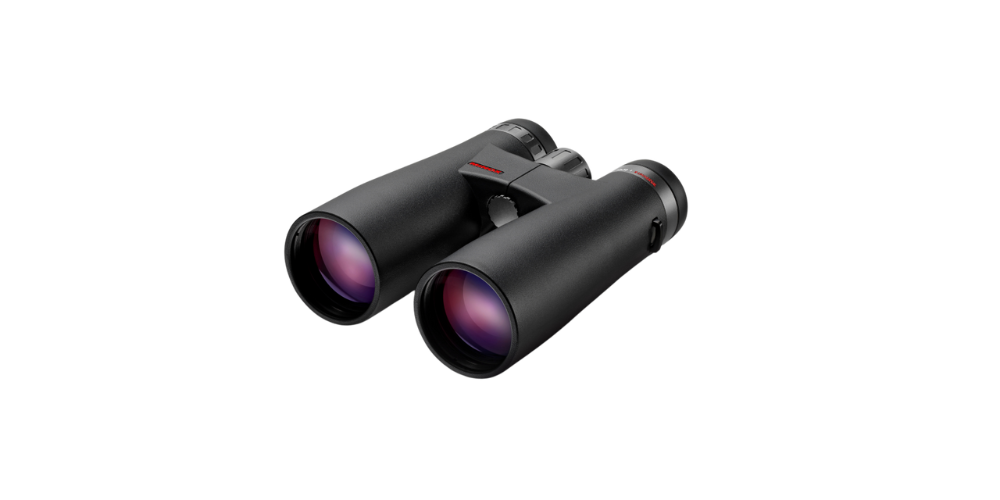
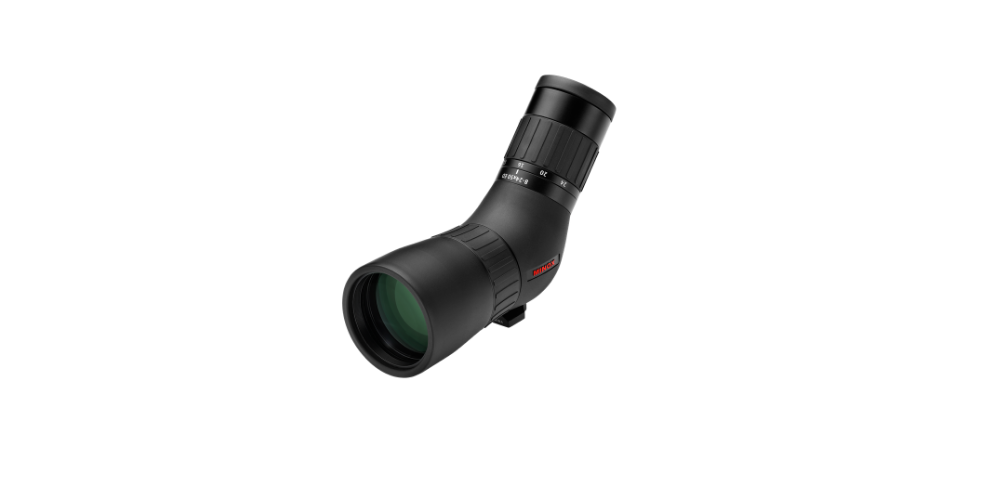
Especially under changing light conditions or in dense vegetation, high-quality optics prove their value by reliably revealing details even in short observation windows.
When the moment comes
Common misconceptions
Summary
Conclusion
Calling roe bucks from a ground blind is one of the most demanding forms of hunting.
It requires a fine understanding of roe deer behavior, a precise reading of wind and terrain, and discipline in every step—from the approach to the stand to taking the shot. Those who take these factors into account and hunt with awareness and deliberation will not only be more successful, but will also hunt more intensively and sustainably.
Waidmannsheil!

CHRISTIAN BAUMEISTER
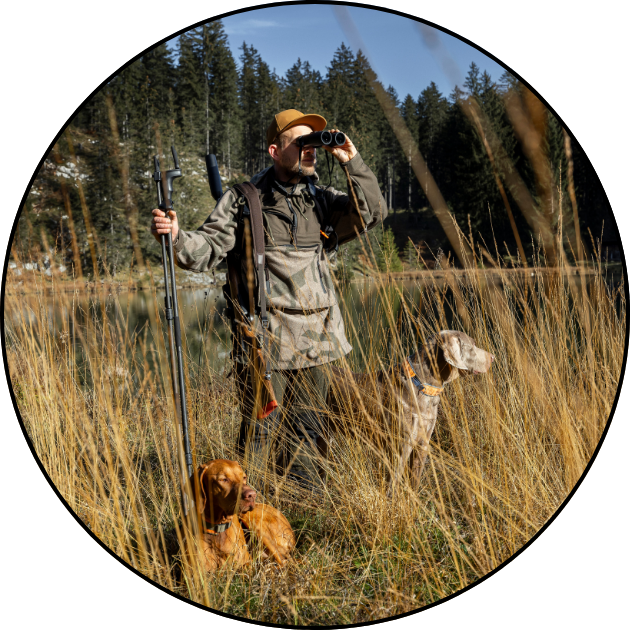
Hunting has been an integral part of my life for over 20 years. As a passionate hunter, leaseholder and dog handler, it shapes my daily life and my way of thinking. For me, hunting means far more than simply bagging game – it is a lifelong calling.
It demands responsibility, consistency and, above all, ethical conduct in my daily actions. Treating game and nature with respect is my top priority. Every decision made in the hunting ground carries weight – and that is precisely what makes hunting such a great gift to me.
Working with the dog, looking after the hunting ground and consciously experiencing nature are just as important to me as the moment of the shot. Hunting is not a break from everyday life – it is part of my life.
That is why I rely on equipment that supports me reliably and performs well in real-world conditions. Because out there in the hunting ground, only one thing counts: trust in what you carry with you.